




AARP Hearing Center




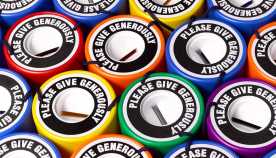


















































As the year winds down and the season of giving sets in, many people look to support causes they care about—but telling a legitimate charity from a fake one can be tough. While reputable organizations make their year-end push for donations, criminals also take advantage of this opportunity to line their own pockets.
Common signs of a charity scam include requests for payment via gift cards, wire transfers, or cryptocurrency, as well as high-pressure demands to donate immediately. Legitimate charities may also encourage timely giving, but they will welcome your support at any time.
To help ensure your donation reaches those who truly need it, do your research. Check organizations on sites such as give.org, CharityNavigator.org or CharityWatch.org to confirm legitimacy and find out how much of the funds are used to serve its stated mission versus overhead and fundraising.
Pay close attention to the charity’s name and web address, as criminals often mimic the names of familiar, trusted organizations to deceive donors. Also, be cautious of links in unsolicited emails, texts, or social media messages, which can lead to fake donation websites and expose your device to malware.
When you do donate, use a credit card. It’s easier to track your contribution, and if your card is misused, you have protection against loss. To avoid feeling pressured by unexpected solicitations, consider having a set list of charities you support. That way, you can give confidently and on your own terms.
Learn how to spot and avoid scams with AARP Fraud Watch Network™. Suspect a scam? Call our free helpline at 877-908-3360 and talk to one of our fraud specialists about what to do next.
About AARP Maryland
Contact information and more from your state office. Learn what we are doing to champion social change and help you live your best life.