




AARP Hearing Center





















































GETTY IMAGES
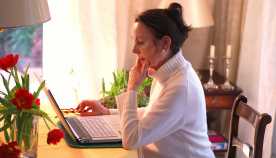
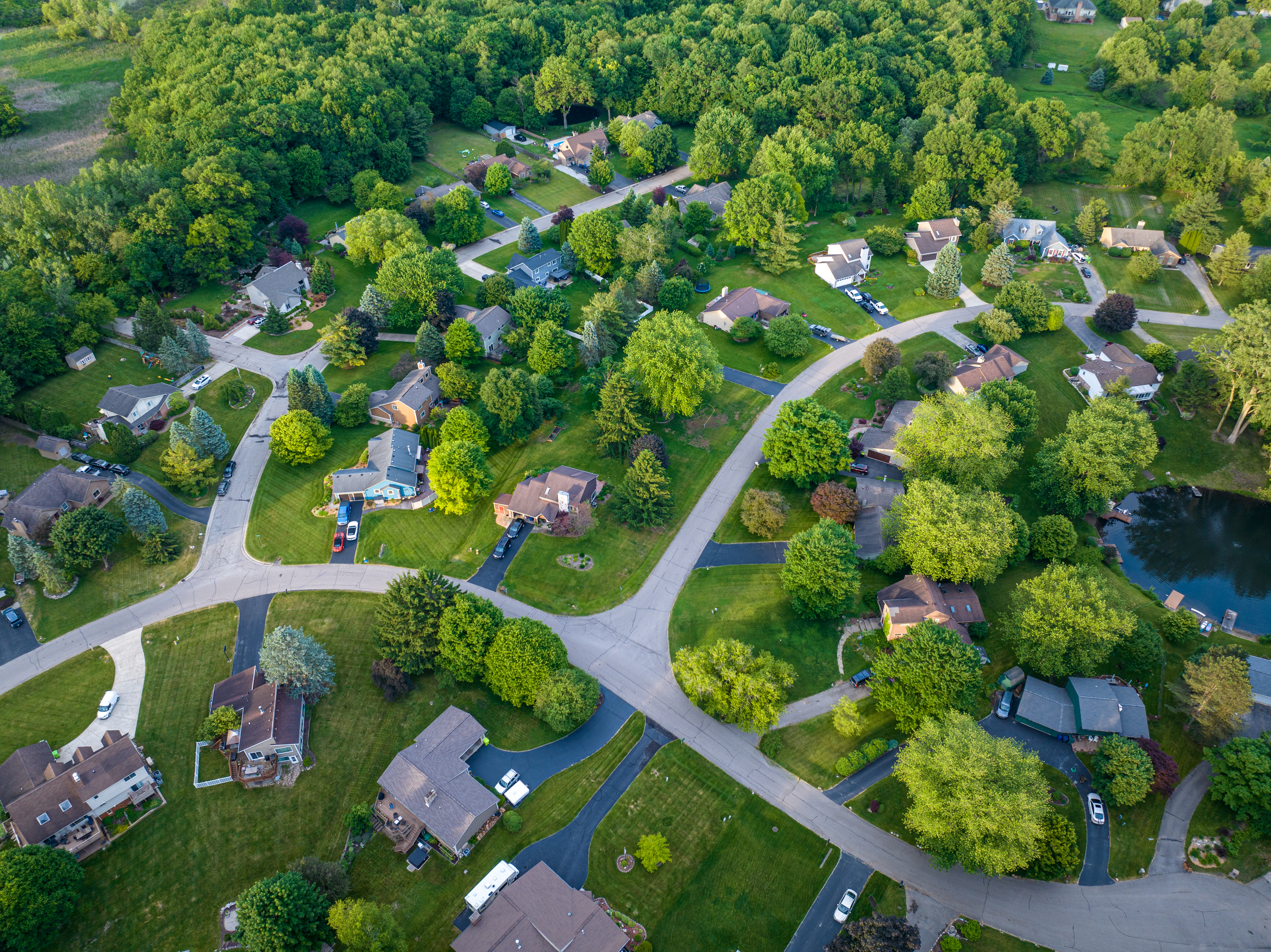
For the past 34 years, Joanna Firestone has resided in a cozy, 1,400-square-foot house northwest of Detroit, where she raised her son, lost her husband and grew older.
Now 75 and retired, Firestone says she and others in the area are increasingly feeling the pinch of property taxes, which are straining budgets already hit by rising costs for utilities, groceries and home repairs.
Although Firestone isn’t worried about being forced out of her home by tax bills, others are. And she is hoping new legislation would make her eligible for property tax relief so she can cover expenses such as a recent plumbing bill to fix a leaky shower. Older residents, she says, face growing costs for insurance and other necessities. “You’re sinking a little bit lower every year,” she says.
Relief could come from legislative efforts to expand Michigan’s Homestead Property Tax Credit.
The credit, which was claimed by 27 percent of all Michigan households in 2023, provides a state-tax refund for qualifying homeowners based on factors such as household income and a home’s taxable value.
Renters can claim the credit, too, on the assumption that a portion of property tax is passed on to them in rent.
Expanding the credit has received bipartisan support and the backing of AARP. “The reality is, rent is too high for many individuals. Property taxes [are] out of control for many residents,” says state Sen. Sarah Anthony (D-Lansing), a lead sponsor of the legislation.
More than half of Michigan households headed by people age 65 and older weren’t earning enough to afford basic expenses in 2023, according to a United Way-affiliated survey of financial hardship in the state.
And property taxes loom large. Around 98 percent of Michigan residents 65 and over polled by AARP in 2025 said staying in their homes as they get older is important, yet 79 percent were concerned that increasing property taxes could hamper their ability to do that.
“As we look at rising costs for other things — food, utility bills — property taxes are just one more thing that has, collectively, a really huge impact on whether or not somebody can afford to stay in their home,” says Cassie Thierfelder, manager of advocacy for AARP Michigan.
HIGH STATE TAX LOAD
Michigan’s property taxes are among the highest in the country when compared with the value of the homes being taxed. By that measure, Michigan had the 14th-highest rate of any state in the U.S. in 2023, according to the think tank Tax Foundation.
Another study, by the Lincoln Institute of Land Policy, compared 53 municipalities — the largest in each state, the second-largest in New York and Illinois, and the District of Columbia — and found Detroit had the highest property tax burden in 2024. Two proposed bills would make it easier to qualify for the Homestead Property Tax Credit by raising income and home-value caps, and adding a new eligibility category for joint tax filers.
The bills would increase the total that renters can claim and raise the maximum refund for everyone from $1,800 to $2,000, adjusted annually for inflation.
Anthony estimates the changes could help nearly half a million households, including 250,000 who aren’t currently eligible. The cost to the state will be about $300 million per year.
One group poised to benefit: low- and moderate-income older adults who earn too much to qualify for the credit now but are being hit with higher property taxes, says Angela Aaron-Benifield, leader of a Wayne Metropolitan Community Action Agency office that aids residents with their finances.
State Sen. Michele Hoitenga (R-Manton) is a lead sponsor of the tax-credit expansion bills. “The tax burden in our state has gotten out of hand, and it is suffocating our middle class and seniors,” she said in a written response to the Bulletin.
For more on the legislation, go to aarpmi.org/propertytaxrelief.
Retiree Firestone currently makes too much money to qualify for the credit, but she’s hoping the proposed changes will make her eligible. “I think I’ll be knocking on the door,” she says.
Phred Dvorak, a Washington, D.C.-based writer, spent 25 years as a business journalist for The Wall Street Journal.
More on Affordability
Welcome to AARP Michigan
Contact information and more from your state office. Learn what we are doing to champion social change and help you live your best life.