




AARP Hearing Center



















































AARP Indiana
Redefining and improving life for Hoosiers 50+

DEC 19, 2025
On Tuesday, December 16, 2025, AARP Indiana hosted a telephone town hall about what Hoosiers can do to make our medical system more age-friendly and how they can advocate for themselves when receiving care.
NOV 1, 2025
Crypto ATM fraud is on the rise. AARP has successfully backed new laws to protect consumers in at least 14 other states and is pushing for similar legislation in Indiana.
OCT 29, 2025
As of November 1, 2025, millions of Americans—including many older adults—may not receive their monthly food benefits through the Supplemental Nutrition Assistance Program (SNAP) due to the ongoing federal government shutdown. This disruption affects individuals living on fixed incomes, many of whom rely on SNAP to afford groceries and maintain their health.
OCT 28, 2025
New AARP caregiving data released today, Caregiving in the U.S. 2025: Caring Across States, finds that 24% of adults in Indiana — approximately 1.2 million people — are family caregivers, providing largely unpaid and unsupported care to older parents, spouses, and other loved ones. The data can be found here.
Update – May 25, 2023
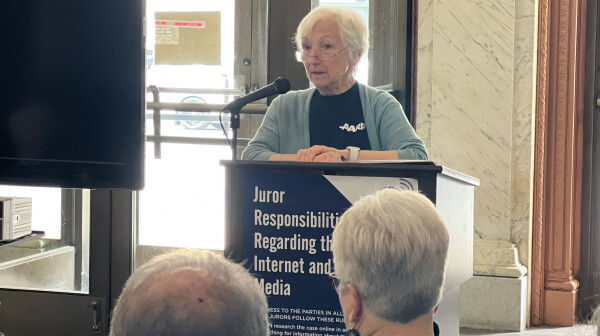
On Saturday, May 6, AARP sponsored tours of the Allen County Courthouse, putting a local gem on display. How’d we make it happen, and why is it important to celebrate local history?

Voters across Indiana went to the polls May 2 to vote in local election primaries and various referenda that varied town to town, city to city.

Technology changes at the speed of a keystroke.

Last month, local volunteers and staff met with Congressman Rudy Yakym (IN-2) and staff at U.S. Senator Mike Braun’s office.

What is a livable community?
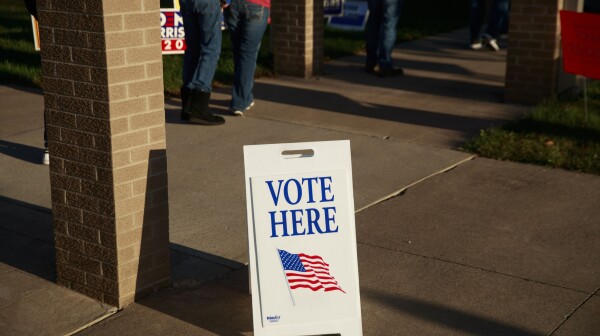
AARP Indiana asked Gary Mayoral Candidates about Housing, Services & Support for Older Adults, and Transportation

A team of volunteers and City of Fort Wayne staff continues its hard work to make the community friendly to people of all ages.

AARP Indiana’s Evansville team recently made the case at a City of Evansville Affordable Housing Trust Fund committee meeting for the growing need to construct, rehabilitate, and preserve affordable housing in the area that also supports residents’ abilities to age in place.

In the early 1900s, the Greenwood neighborhood of Tulsa, Oklahoma, now called "Black Wall Street," was a vibrant and prosperous community. Despite the challenges and racial injustices they faced, residents of this community built a thriving neighborhood filled with successful Black-owned businesses, attorneys, doctors, and real estate agents. Their achievements were nothing short of remarkable and served as a beacon of hope for Black Americans nationwide.
Search AARP Indiana

Life's better when we share it.
That’s why AARP brings neighbors together to join in on free activities and events, right where you live.
Get to know the local side of AARP, and click on a free event that clicks with you.
That’s why AARP brings neighbors together to join in on free activities and events, right where you live.
Get to know the local side of AARP, and click on a free event that clicks with you.
Sign Up & Stay Connected
Sections
About AARP Indiana
Contact information and more from your state office. Learn what we are doing to champion social change and help you live your best life.