




AARP Hearing Center
































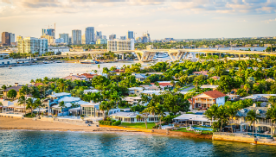






















As 2025 draws to a close, it’s clear that it was a pivotal time for older adults and their families in Washington, D.C. Across the District, advocates, caregivers, and community leaders rallied to protect the dignity, health, and financial security of seniors—facing both longstanding challenges and new opportunities for progress.
In Washington, D.C., many older Black residents continue to face serious challenges when it comes to accessing quality health care. While recent studies from AARP show signs of progress, they also reveal that deep disparities remain—especially for those living east of the Anacostia River.
Bridging the Justice Gap for Vulnerable Washington, D.C. Elders

As the AARP DC Volunteer State President, I am proud to represent 68,000 AARP members in the District, and on behalf of them and all older District residents, we are advocating for a budget that honors their dignity and needs. For the District’s FY2026 budget, our message is clear: District seniors deserve their fair share of the pie.

AARP DC proudly represents 68,000 members in the District, and on behalf of them and all older District residents, we are advocating for a budget that honors the dignity and needs of older residents. For the FY2026 budget, our message is clear: District seniors deserve their fair share of the pie.

Your one-stop resource guide for important dates and information to cast your ballot in the July 15th Ward 8 Special Election.

HOUSING

ACCESS TO NUTRITIOUS FOOD

HEALTH DISPARITIES

TRANSPORTATION
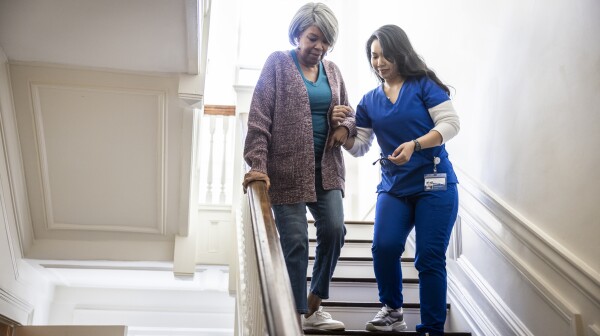
The District of Columbia's failure to tell certain nursing facility residents about alternative care violates the Americans with Disabilities Act, a U.S. District Court judge ruled in a lawsuit brought by AARP Foundation.

The vital lifeline for tens of millions of Americans everywhere, including 84,150 here in the District, used for housing, groceries, gas, and the other everyday necessities will mark its 90th birthday this summer. And with that anniversary comes a responsibility to strengthen the program – and determine how we can help it age in the healthiest way. As the bedrock of retirement in America, our financial future depends on protecting Social Security for decades to come.

A new study highlights health disparities between Black and white older adults in the District of Columbia. The study, completed by AARP District of Columbia in partnership with Georgetown University, shows that rates for heart failure, diabetes, stroke, COPD, and asthma were 2 to 3 times higher for Black older adults than for whites.
Search AARP Washington DC

Life's better when we share it.
That’s why AARP brings neighbors together to join in on free activities and events, right where you live.
Get to know the local side of AARP, and click on a free event that clicks with you.
That’s why AARP brings neighbors together to join in on free activities and events, right where you live.
Get to know the local side of AARP, and click on a free event that clicks with you.
Sign Up & Stay Connected
Sections
About AARP Washington DC
Contact information and more from your state office. Learn what we are doing to champion social change and help you live your best life.