




AARP Hearing Center

















































When Louis of St. Paul picked up the phone one afternoon, he thought he was helping his granddaughter. The caller insisted she’d been in a car accident and urgently needed bail money.
Wanting to support his family, Louis withdrew $8,900 in cash from his bank and followed the instructions he was given over the phone to deposit the money into a nearby cryptocurrency kiosk.
Only later did he learn that the story he was told was not real. The caller was an imposter, and the money was gone within minutes. The financial loss was devastating, but the emotional toll was just as severe: a mix of fear, guilt, and the feeling of being targeted.
Louis’s experience mirrors what many Minnesotans are facing as scammers use high‑pressure tactics to convince victims to act quickly without time to verify.
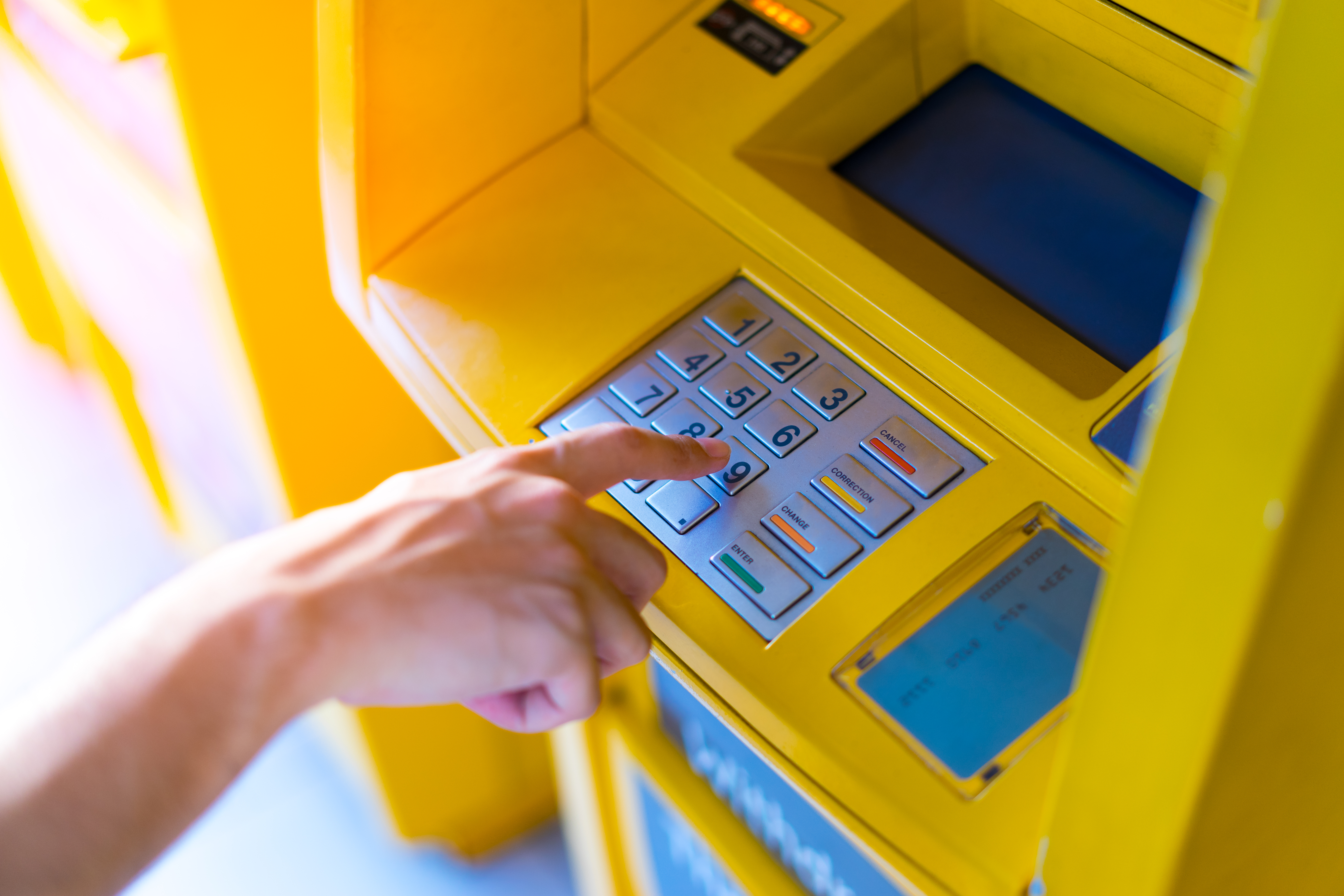
Criminals are increasingly using cryptocurrency kiosks — machines often found in convenience stores, grocery stores, and gas stations — to steal money from Minnesotans, especially older adults. These kiosks allow people to buy digital currency with cash, but their speed and lack of safeguards make them an easy tool for scammers.
How Crypto ATM Scammers Steal Millions
Minnesota was among the first states in the nation to pass protections in 2024 aimed at reducing crypto kiosk fraud. The law required operators to register with the state, provide clear disclosures and warnings, offer receipts, and limit daily transactions for new customers. Unfortunately, scammers have found legal loopholes, particularly by avoiding steps that would classify someone as a “new customer,” allowing them to bypass daily transaction limits and steal money from Minnesotans.
This year, lawmakers are considering updates to strengthen the law and close those gaps. These proposed changes focus on practical consumer protections: clearer warnings, strengthened limits, more transparency, and better accountability from kiosk operators.
AARP’s Role in Protecting Older Minnesotans
AARP is not opposed to cryptocurrency or innovation. But we do want commonsense safeguards in place so people aren’t tricked into losing their life savings. Crypto kiosk scams are vastly underreported, and adults 60+ face some of the highest losses. AARP Minnesota is working with lawmakers, state agencies, and community partners to strengthen protections and increase awareness.
AARP’s message is clear: Legitimate agencies will never demand payment through a crypto kiosk. If someone pressures you to pay this way: stop, hang up, and verify.
What You Can Do
Protecting Minnesotans from fast‑moving scams requires strong laws and strong voices behind them. You can help:
- Learn the signs of a crypto kiosk scam through AARP’s Fraud Watch Network.
- Share your story if you or someone you know has been targeted — your experiences help shape policy.
- Sign up to become an AARP Activist, and you'll receive e-mail action alerts on the issues you care about. Be the first to know when important consumer‑protection legislation is moving at the Capitol and how your voice can make a difference.
Contact AARP Minnesota
Contact information and more from your state office. Learn what we are doing to champion social change and help you live your best life.