




AARP Hearing Center



















































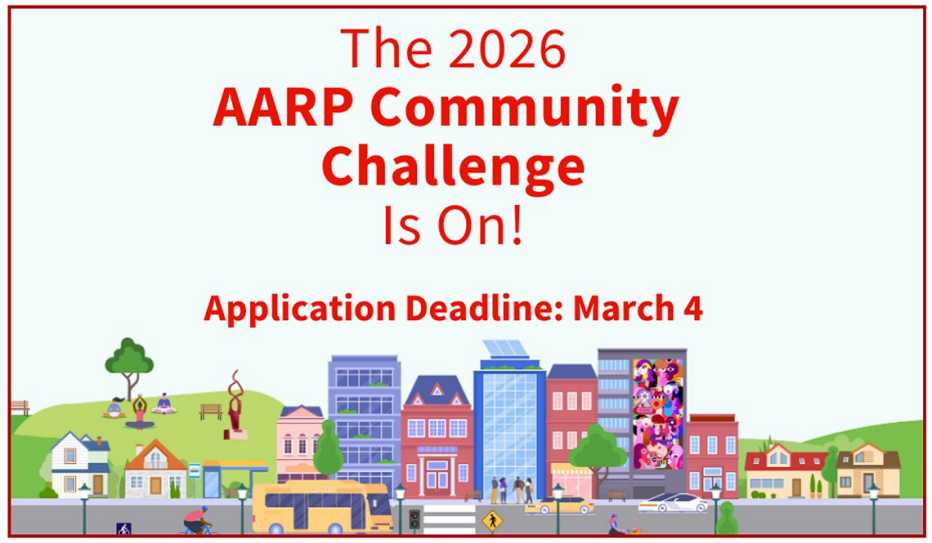
Applications accepted through March 4, 2026 at 5:00 p.m.
Give Back to Your Community With AARP!
As 2025 draws to a close, it’s clear that it was a pivotal time for older adults and their families in Washington, D.C. Across the District, advocates, caregivers, and community leaders rallied to protect the dignity, health, and financial security of seniors—facing both longstanding challenges and new opportunities for progress.
In Washington, D.C., many older Black residents continue to face serious challenges when it comes to accessing quality health care. While recent studies from AARP show signs of progress, they also reveal that deep disparities remain—especially for those living east of the Anacostia River.
Bridging the Justice Gap for Vulnerable Washington, D.C. Elders

According to the DC Department of Health, HIV and AIDS are increasing among older DC residents. In fact, more than one-third of the people living with HIV in DC are age 50+. District of Columbia Mayor Vincent Gray says that 15 percent of new HIV and AIDS cases in the District are among older adults.

Thanks to the generosity of District of Columbia residents, AARP DC and the Capital Area Food Bank collected more than five tons - that's 10,000 pounds - of food in the 2012 Drive to End Hunger in DC food drive. That means 13,235 meals can be prepared for and by people at risk of hunger. That kind of food assistance is a lifeline to Ms. Bowman, a DC senior who receives food commodities.

District residents promptly recovered from power outages, water and wind damage after super storm Sandy, but our friends, relatives and colleagues in New York, New Jersey and other coastal areas continue waging a much more challenging recovery.
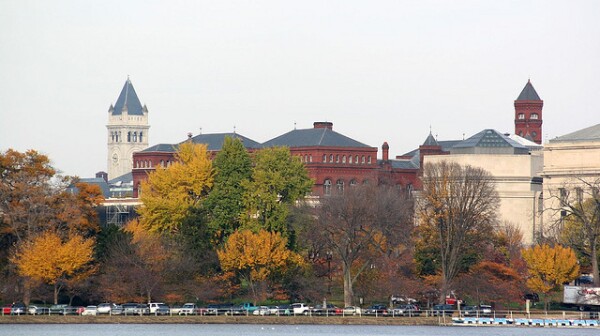
It’s official. District of Columbia Mayor Vincent has committed DC to being one of seven pilot sites in the AARP Network of Age-Friendly Communities. At a news conference on October 3 rd, Mayor Gray announced that becoming an age-friendly city is the first of four goals in the city’s Strategic Plan for Community Living in an Age-Friendly City. The commitment marks the beginning of a multi-year planning and implementation process in the District.
Search AARP Washington DC

Life's better when we share it.
That’s why AARP brings neighbors together to join in on free activities and events, right where you live.
Get to know the local side of AARP, and click on a free event that clicks with you.
That’s why AARP brings neighbors together to join in on free activities and events, right where you live.
Get to know the local side of AARP, and click on a free event that clicks with you.
Sign Up & Stay Connected
Sections
About AARP Washington DC
Contact information and more from your state office. Learn what we are doing to champion social change and help you live your best life.