




AARP Hearing Center






















































AARP Wisconsin
Leading Positive Social Change for Wisconsinites Over 50

JAN 23, 2026
Where do you get an opportunity to engage with other locals, while enjoying a healthy 45-minute walk through a university campus in your community?
JAN 23, 2026
When AARP WI held a local livable community discussion to find out what would improve locals’ day-to-day lives in their neighborhood, residents voiced concerns about pedestrian safety and making streets safer. See how AARP Local WI, AARP WI volunteers and community partners took to the streets to address pedestrian safety locally.
We know how impactful $1,000 can be. This is our way of extending some seed money to get these projects off the ground. Next deadline: September 27, 2025.
JAN 21, 2026
More than 1 million Wisconsinites provide care to a family member or friend with complex medical conditions or disabilities. That’s nearly one quarter (23 percent) of adults across the state. Nearly 60 percent of family caregivers in Wisconsin provide care to someone who has a long-term physical condition.

During the 2025 legislative session, AARP Wisconsin will push lawmakers to pass a state tax credit of up to $500 to help offset expenses—such as adult day care, assistive technology or home modifications—that family caregivers incur.

By Amber Miller, Sr. Assoc. State Director of Outreach, AARP

As the holiday season approaches, AARP Wisconsin is encouraging members to be extra aware of possible fraud schemes.

Are you planning to buy gift cards this holiday season? Do you have questions about a fishy email you received? Would you like to get out and meet new people? If you answered yes to any of those questions, we have events for you! From trivia to expert presentations to free coffee and information, we’ve got something for everyone.

Wisconsin residents can schedule new COVID-19 vaccine appointments or walk into a nearby pharmacy to get a shot. Here’s how to find an updated vaccine near you.

We're excited to announce that AARP recently released a report that shows that over 49,900 Wisconsinites on Medicare prescription drug plans will see savings thanks to a new out-of-pocket cap that starts January 1, 2025.

Find upcoming election dates, registration deadlines and options for voting in Wisconsin, such as absentee voting, early voting or voting with a disability.

By Amber Miller, Assoc. State Director of Outreach

Madison, Wisconsin, like many cities across the United States, is grappling with a housing crisis that affects residents across the socioeconomic spectrum. One promising solution lies in the development of “missing middle housing,” a term popularized by architect Daniel Parolek to describe a range of multi-unit or clustered housing types that are compatible in scale with single-family homes.
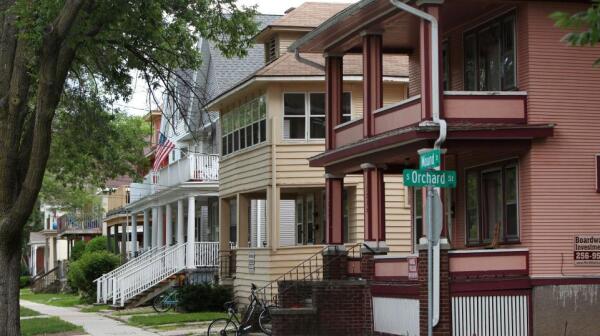
AARP is working across the nation to make their communities more livable for people of all ages. Among the keys to creating more livable communities is housing that is both adaptable and suitable for the changing needs and demographics of American households.
Search AARP Wisconsin

Life's better when we share it.
That’s why AARP brings neighbors together to join in on free activities and events, right where you live.
Get to know the local side of AARP, and click on a free event that clicks with you.
That’s why AARP brings neighbors together to join in on free activities and events, right where you live.
Get to know the local side of AARP, and click on a free event that clicks with you.
Sign Up & Stay Connected
Sections
About AARP Wisconsin
Contact information and more from your state office. Learn what we are doing to champion social change and help you live your best life.