




AARP Hearing Center



















































Press
For members of the media: Find our latest press releases here.

Ahead of National Family Caregivers Month, AARP Maryland releases state-level data detailing caregivers experiences.

New Data Show 24% Of Adults In Florida Provide Care, Spotlighting Urgent Need for Action to Support Family Caregivers

New Data Show Nearly One Quarter Of Adults In Pennsylvania Provide Care, Spotlighting Urgent Need for Action to Support Family Caregivers
In August, AARP testified before the U.S. Senate Special Committee on Aging to spotlight a growing threat to Americans: fraud carried out by translational organized crime groups. Operating openly abroad, these networks are draining billions of dollars from victims, local communities and economies every year. Older adults are navigating a minefield of increasingly sophisticated scams that threaten not only their lifetime savings but even their homes, independence, and health. Money that was saved for retirement is instead supporting illicit activity around the world.

Joint Statement from AARP New York and the Public Utility Law Project (PULP):

Nearly 8 in 10 undecided voters are age 50-plus, putting older voters in a position to decide this election

Nearly all of us use social media to stay connected with friends and family. Unfortunately, scammers use social media to connect with us, too. Before accepting a friend request on your social media platforms, keep these tips in mind to protect yourself from scams.

Law Would Give New Yorkers a dedicated, independent voice to fight for fairness in utility rate decisions

Fraud today is largely run by sophisticated, large-scale operations led by transnational crime groups, stealing an estimated $158 billion from Americans in a single year. This is not just a consumer education issue — it’s a national security threat that demands urgent attention.

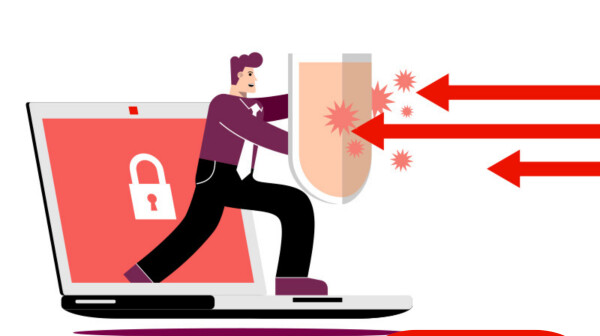
October is National Cybersecurity Awareness Month – a great time to remind ourselves just how much of our lives take place online and the potential threats that exist in the digital world. Any device that stores information or connects to the internet could become a target for cybercriminals seeking to steal your data. Here are four important ways to help stay safe online.
Search AARP States

Life's better when we share it.
That’s why AARP brings neighbors together to join in on free activities and events, right where you live.
Get to know the local side of AARP, and click on a free event that clicks with you.
That’s why AARP brings neighbors together to join in on free activities and events, right where you live.
Get to know the local side of AARP, and click on a free event that clicks with you.
Sign Up & Stay Connected