




AARP Hearing Center




















































Michael Smith for AARP Wyoming
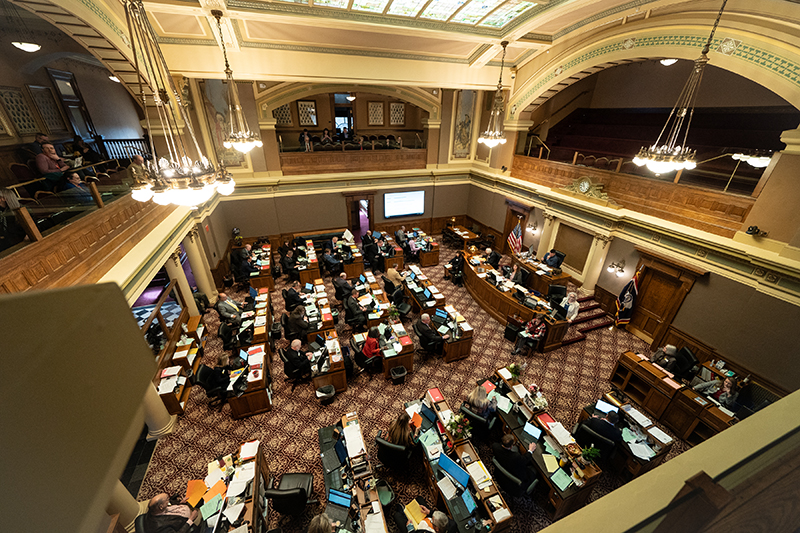
Changes to the SNAP program, commonly known as food stamps, outlined in the One Big Beautiful Bill Act (OBBBA) will put the Wyoming Legislature in charge of whether the state’s residents will see benefits in the future.
The state Legislature and governor will need to allocate an additional $3.4 million each year to cover administrative costs, or the program will dry up in Wyoming. The Wyoming Department of Family Services has made that ask in its biennial budget request. The governor will consider that request in his proposed budget, which dropped in mid-November. That proposed budget will then be considered by the Wyoming Legislature during the 2026 legislative session.
On July 4, 2025, President Donald Trump signed the OBBBA into law. Among the changes to the SNAP program was the requirement for states to pay 75% of the program’s administrative costs, up from 50%. That raises Wyoming’s share of the cost from $6.7 million to $10 million annually. That money will have to come from a state appropriation.
In Wyoming, there are 28,000 people who rely on SNAP, collecting an average of $386 in food buying power a month. Of those receiving benefits, 49% are children and another 13% are over the age of 60. In total, Wyoming citizens receive $62 million in food benefits annually. According to U.S. Department of Agriculture data, on average, 11.4% of Wyoming households experienced food insecurity between 2020 and 2022, which is slightly higher than the national average of 11.2%.
“Few realize the impact that SNAP has for older adults living on fixed incomes,” says AARP Wyoming State Director Sam Shumway. “Being able to spend $386 a month on food is the difference between aging at home and being placed into nursing home care for some.”
Other changes to SNAP as a result of the OBBA include expanded work requirements for able-bodied adults without dependents. Recipients between the ages of 66 and 64 must now work or volunteer 80 hours a month to receive benefits. Parents with children over age 14 also fall into this category. SNAP benefit growth is also capped, with future benefit increases tied to the rate of inflation.
Concern is growing among the state’s food pantries, which, through October, have dealt with the federal government’s shutdown and the resulting loss of November SNAP benefits. Representatives from the Food Bank of the Rockies and food banks in Star Valley and on the Wind River Indian Reservation reported that they were experiencing increased pressure on their food supply in mid-October due to the government shutdown.
According to the Wyoming Department of Family Services, fewer than 30% of those eligible for SNAP services actually receive them. SNAP is available to older adults and is determined by age, work requirements, income and assets. Benefits are calculated to cover around 70% of a family’s food budget. If your household includes a member who is aged 60 or older or includes a member who is disabled and has a resource limit of $4,500 (checking and savings accounts, or stock, bonds, or mutual funds), you may qualify for SNAP benefits. For more information, contact the Wyoming Department of Family Services at 307-777-7564
The Department of Family Services will also request an additional $1.583,948 in funding from the Wyoming Legislature, supported by AARP Wyoming. The money would go towards safety net services for Vulnerable Adults. This includes short-term housing and $500,000 to pay for guardianship services. In 2025, Wyoming Adult Protective Services received 2,464 reports of concern for a vulnerable adult. Only 55% were open for services.
About AARP Wyoming
Contact information and more from your state office. Learn what we are doing to champion social change and help you live your best life.