




AARP Hearing Center

















































Livable Communities
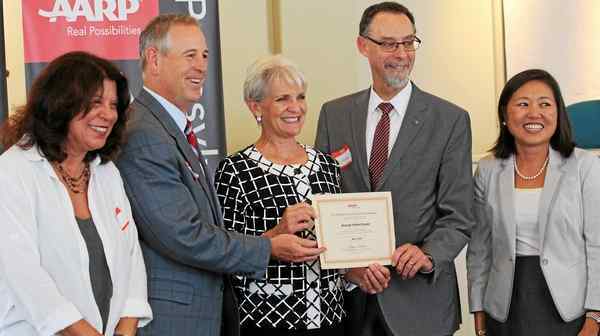
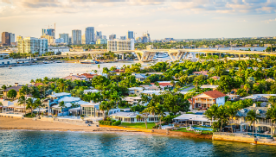
At a ceremony held on September 21 st, the Borough of West Chester was inducted into the AARP Network of Age-Friendly Communities, which helps participating communities become great places for all ages by adopting such features as safe, walkable streets, better housing and transportation options, access to key services, and opportunities for residents to participate in community activities. As a member, West Chester will be part of a growing national movement of livable communities striving to meet the needs of their 19,000 residents.

While many Pennsylvania children adjusted to a new school year and other Pennsylvanians looked forward to a long weekend to celebrate Labor Day and the unofficial end of summer, the week beginning on Monday, August 29 saw a number of interesting activities and events across Pennsylvania that highlighted issues of importance to older Pennsylvanians.
Pennsylvania’s two largest communities, Philadelphia and Pittsburgh, have embarked on an ambitious process as members of the AARP Network of Age-Friendly communities. This sounds like a lofty title but the true meaning of this designation is critical for the future of the people that live in these communities.

Although a fight is expected to break out between the General Assembly and the governor about the overall framework of the 2016/17 state budget, there are areas of agreement between legislators and the Administration. One of these areas of critical importance to older Pennsylvanians, is how revenues from the Pennsylvania lottery will be spent.

The story of public policy in Pennsylvania in 2015 began with new occupants of three of the most important positions in the Commonwealth’s political structure – Governor Tom Wolf, Senate Majority Leader Jake Corman, and House Majority Leader Dave Reed. They took on the leading roles in the on-again, off-again state budget drama that played out over the course of the year, beginning with the Governor’s budget address in March.
“An age-friendly community is a livable community for people of all ages.” – Getty
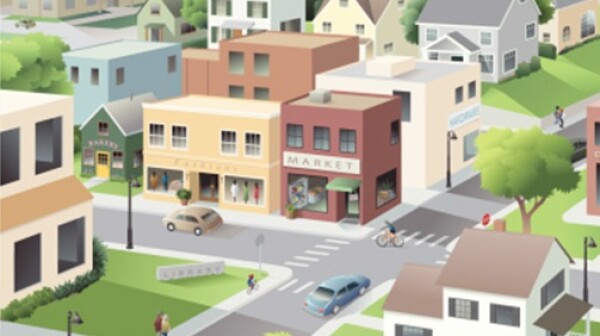
Mayor Nutter Encourages Philadelphians to Participate in Survey to Improve Safety, Transportation, and Housing

Making one of downtown Pittsburgh’s most dangerous intersections safer for pedestrians was the focus of a recent workshop featuring AARP experts, city officials and urban planning leaders.
Is Your Neighborhood Livable Today and in the Future?
Search AARP Pennsylvania

Life's better when we share it.
That’s why AARP brings neighbors together to join in on free activities and events, right where you live.
Get to know the local side of AARP, and click on a free event that clicks with you.
That’s why AARP brings neighbors together to join in on free activities and events, right where you live.
Get to know the local side of AARP, and click on a free event that clicks with you.
Sign Up & Stay Connected