




AARP Hearing Center














































Scams & Fraud
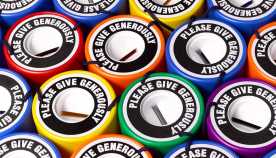
The holiday season is here—a time for family, friends, and giving. But while you’re busy shopping for gifts and donating to causes you care about, scammers are working just as hard to take advantage of your generosity and hectic schedule.

Tips to prevent holiday and winter season scams and fraud

Fight Fraud. Shred It.

New AARP Report Finds Nearly Nine in Ten U.S. Adults Have Experienced Fraud

The holiday season usually means fun with friends and family, goodwill and giving. Unfortunately, it's also a prime time for cybercriminals to perpetrate fraud. Here are some common holiday scams to look out for this holiday season:

Latest Fraud Watch updates

The holiday deals are already rolling in, but not every offer you see online is the real deal.

At AARP, we constantly track the latest fraud scams to stay one step ahead of scammers. According to the FBI’s most recent Elder Fraud Report, elder fraud complaints to the FBI’s Internet Crime Complaint Center increased by 46%, and associated losses increased by 43% in 2024. New York had the fourth highest number of complaints filed by people over the age of 60, and is the fourth highest in monetary losses in this age group, according to the FBI data.

The holidays should feel joyful, not stressful. But with all the shopping, deliveries, and donations this time of year, it can be hard to know what’s truly safe.

Social media can make it feel like we’re closer than ever to our favorite celebrities. But if a musician, actor, or athlete you admire suddenly sends you a private message, don’t get starstruck—get skeptical. It’s almost certainly a scam.
Search AARP States

Life's better when we share it.
That’s why AARP brings neighbors together to join in on free activities and events, right where you live.
Get to know the local side of AARP, and click on a free event that clicks with you.
That’s why AARP brings neighbors together to join in on free activities and events, right where you live.
Get to know the local side of AARP, and click on a free event that clicks with you.
Sign Up & Stay Connected