




AARP Hearing Center























































Applications accepted through March 4, 2026 at 5:00 p.m.
Give Back to Your Community With AARP!
As 2025 draws to a close, it’s clear that it was a pivotal time for older adults and their families in Washington, D.C. Across the District, advocates, caregivers, and community leaders rallied to protect the dignity, health, and financial security of seniors—facing both longstanding challenges and new opportunities for progress.
In Washington, D.C., many older Black residents continue to face serious challenges when it comes to accessing quality health care. While recent studies from AARP show signs of progress, they also reveal that deep disparities remain—especially for those living east of the Anacostia River.
Bridging the Justice Gap for Vulnerable Washington, D.C. Elders
November marks National Family Caregivers Month, a time to recognize the 38 million Americans, 210,000 in Idaho, who help care for aging parents, spouses and other loved ones so they can remain at home – as opposed to costly institutions. In the Gem State alone, family caregivers provide unpaid care valued at a staggering $3 billion annually.

Welcome to AARP New Jersey's voters' guide for the 2025 Governor’s race. Republican nominee, Jack Ciattarelli, and the Democratic nominee, Mikie Sherrill share their views on issues that count for the 50+.

The sharp rise in home prices and rentals has made housing increasingly unaffordable across Florida, especially in Tampa Bay.

Fraud today is largely run by sophisticated, large-scale operations led by transnational crime groups, stealing an estimated $158 billion from Americans in a single year. This is not just a consumer education issue — it’s a national security threat that demands urgent attention.

To Join AARP Network of Age-Friendly States and Communities

Starting January 1, 2026, Minnesota workers will have access to Paid Family and Medical Leave (PFML)—a new state benefit that provides financial support and job protection when you need time away from work to care for yourself or a loved one.

Beginning January 1, 2026, Minnesota’s Paid Family and Medical Leave (PFML) program will provide workers with job-protected, partially paid time off for medical and caregiving needs. As an employer, you’ll play a key role in supporting your team—and complying with the law.
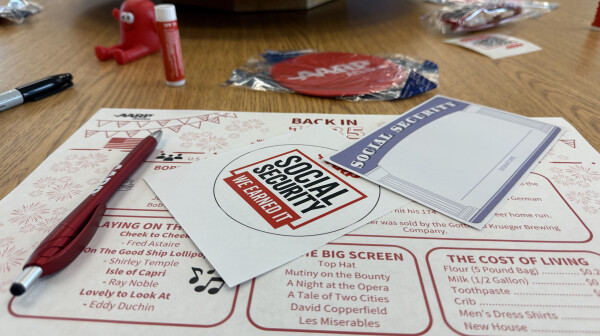
How AARP Alaska is protecting Social Security for Alaskans today and for generations to come

We talked about AI, cryptocurrency, and some common scams. Find information about local resources and a Q&A recap in this blog.

Remember the “mother-in-law suite” or “granny flat”? These small, separate living spaces tucked behind a main house were once common in American neighborhoods. After World War II, they popped up across the country, offering families a way to keep loved ones close while giving them independence. However, over time, zoning laws made it increasingly difficult to build them, and they gradually faded from view.
Search AARP States

Life's better when we share it.
That’s why AARP brings neighbors together to join in on free activities and events, right where you live.
Get to know the local side of AARP, and click on a free event that clicks with you.
That’s why AARP brings neighbors together to join in on free activities and events, right where you live.
Get to know the local side of AARP, and click on a free event that clicks with you.
Sign Up & Stay Connected
Sections
About AARP Washington DC
Contact information and more from your state office. Learn what we are doing to champion social change and help you live your best life.