




AARP Hearing Center



















































AARP Wisconsin
Leading Positive Social Change for Wisconsinites Over 50

DEC 15, 2026
AARP Ohio works local leaders and residents to help ensure that communities statewide are livable for people of all ages. Toward achieving that goal, AARP provides tools and resources to use to help make your community age-friendly.
FEB 20, 2026
AARP Georgia's 2026 legislative focus is on relationship-building with elected officials to advance legislation that helps save Georgians money.
We know how impactful $1,000 can be. This is our way of extending some seed money to get these projects off the ground. Next deadline: September 27, 2025.
JAN 26, 2026
Each year, the Federal Trade Commission (FTC) leads Identity Theft Awareness Week, a national initiative held in late January on how to avoid identity theft, recover if it happens, and spot these scams before they occur.
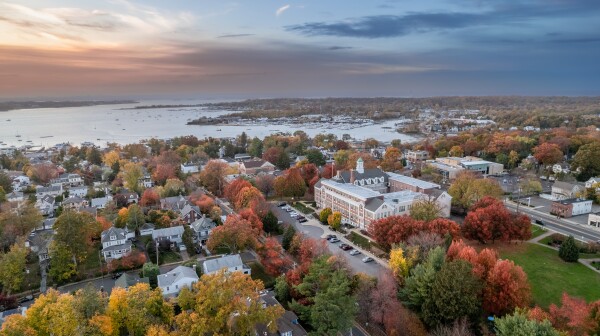
Long Island stands at a demographic crossroads. With 41% of the population being ages 50 and older, these communities face both challenges and economic opportunities. These policy roadmaps illustrate how targeted policies and age-friendly initiatives yield substantial economic returns while enhancing the quality of life for residents of all ages throughout Long Island.

Free outdoor dance classes

Help Children Become Better ReadersYou’ll enjoy putting your experience to use by tutoring and mentoring young people through AARP Foundation Experience Corps. Students, schools and volunteers, like you, all benefit from this innovative intergenerational program.

AARP Oklahoma unwraps the "12 Scams of the Holidays" and how to keep yourself and loved ones safe this holiday season.

Avoid being taken in by a cryptocurrency kiosk scam.

Balance, Stretching, and Stress Relief

With most small-business employees lacking workplace plans, Alaska Work and Save can help workers build financial security through a voluntary, portable, and state-overseen program. Learn how this initiative benefits both employees and businesses and hear from business owners themselves.

In this four-session series, you’ll learn new techniques, build on what you know, and develop your personal style. Create French countryside landscapes, pets, and bold florals using the provided patterns—no drawing needed. Sessions are recorded, and helpful tips, advice, and critiques are included.

A rundown of our wins and progress made for older North Dakotans.

“The age wave is here,” says Cathleen MacCaul, Senior Advocacy Director at AARP Washington. “By 2030, more Washingtonians will be age 65 and older than under 18. That demographic shift will impact every part of our economy—from health care to housing to gaps in our long term care workforce.”
Search AARP States

Life's better when we share it.
That’s why AARP brings neighbors together to join in on free activities and events, right where you live.
Get to know the local side of AARP, and click on a free event that clicks with you.
That’s why AARP brings neighbors together to join in on free activities and events, right where you live.
Get to know the local side of AARP, and click on a free event that clicks with you.
Sign Up & Stay Connected
Sections
About AARP Wisconsin
Contact information and more from your state office. Learn what we are doing to champion social change and help you live your best life.