




AARP Hearing Center















































AARP Florida
AARP Florida is making a difference where you live.
AARP Florida announces its 2026 legislative priorities, putting the needs of Floridians 50-plus at the forefront of the upcoming legislative session. This year’s agenda focuses on four critical areas that impact the quality of life for older adults and their families:
AARP Florida Announces Rapid Community Project Grants
Even as some of you are hearing the last notes of the song “It’s the Most Wonderful Time of the Year,” we at AARP Florida are about to embark on “The Busiest Time of the Year”, the Florida legislative session. Advocacy is a core part of AARP’s mission, and at the state level, the legislative session is a rich if frenetic opportunity to advocate on a wide range of issues on behalf of Floridians ages 50 and over.
New Report Reveals Declining Quality in Florida Nursing Homes Following Private Investor Acquisition
AARP Florida’s latest nursing home quality report reveals troubling trends as private investment group acquisitions reshape the state’s long-term care sector.

This Tampa family paid the ultimate price for inexperienced staff and poor nursing home care

A new analysis shows the immense economic and fiscal value of long-term care home and community-based services

Join AARP Tampa Bay Members and Volunteers on the last Friday of each month at 2:00 PM to discuss a classic movie we have viewed.

A 40-year nurse’s perspective: "Long-term care is broken. And it’s headed for a crisis."
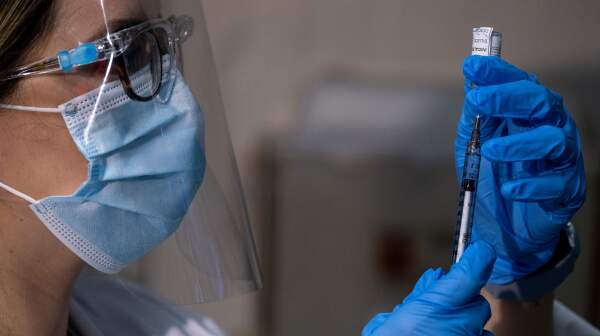
The percent of Florida nursing home residents receiving the extra shot jumps eight percentage points in the four weeks ending Dec. 19, 2021

Florida’s nursing home industry is at it again. Florida nursing home owners, operators, and executives are pushing legislation that would eliminate minimum nursing staffing standards in facilities. They want to change the math so they can use non-nursing staff to provide direct nursing care to our most vulnerable older adults.

Join AARP FL and the Tampa Bay History Center for Monthly Series

Florida nursing home staff vaccination continues to climb in the four weeks ending Nov. 21, 2021
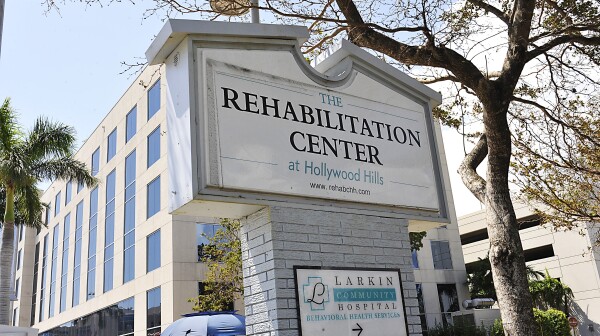
A study published last month by the Journal of American Medical Association says of the 54,095 nursing home residents in Florida when Irma struck, more than half of residents experienced power loss after the hurricane, which was associated with an increased odds of mortality within days after the storm.

Through his leadership, Florida expanded access to homebound vaccination, championed AARP Age-Friendly projects and created lasting partnerships that will benefit older adults for years to come. We wish him a happy and healthy retirement and look forward continuing our meaningful work with the Department of Elder Affairs.
Search AARP Florida

Life's better when we share it.
That’s why AARP brings neighbors together to join in on free activities and events, right where you live.
Get to know the local side of AARP, and click on a free event that clicks with you.
That’s why AARP brings neighbors together to join in on free activities and events, right where you live.
Get to know the local side of AARP, and click on a free event that clicks with you.
Sign Up & Stay Connected
Sections
About AARP Florida
Contact information and more from your state office. Learn what we are doing to champion social change and help you live your best life.