




AARP Hearing Center
















































AARP Florida
AARP Florida is making a difference where you live.
AARP Florida announces its 2026 legislative priorities, putting the needs of Floridians 50-plus at the forefront of the upcoming legislative session. This year’s agenda focuses on four critical areas that impact the quality of life for older adults and their families:
AARP Florida Announces Rapid Community Project Grants
Even as some of you are hearing the last notes of the song “It’s the Most Wonderful Time of the Year,” we at AARP Florida are about to embark on “The Busiest Time of the Year”, the Florida legislative session. Advocacy is a core part of AARP’s mission, and at the state level, the legislative session is a rich if frenetic opportunity to advocate on a wide range of issues on behalf of Floridians ages 50 and over.
New Report Reveals Declining Quality in Florida Nursing Homes Following Private Investor Acquisition
AARP Florida’s latest nursing home quality report reveals troubling trends as private investment group acquisitions reshape the state’s long-term care sector.

From Washington, D.C., to state capitols across the country, new elections proposals in more than 40 states, including Florida, have received widespread criticism. Observers point to what they say is a pattern of voter suppression tactics by state legislators.

New video resources aimed at curbing carbon monoxide deaths and illnesses

AARP Florida is standing up for all Sunshine State residents, pushing back on a utility rate increase requested by Florida Power & Light, which provides electricity to more than 11 million people statewide.

The latest release of AARP's Nursing Home COVID-19 Dashboard shows that Florida is trending higher than the national average for new reported cases of COVID-19.
Active and retired nurses, doctors and other health-care professionals are volunteering throughout Florida to help in the rollout of the COVID-19 vaccine.

AARP Florida today issued a consumer alert highlighting positive legislative changes that AARP advocated for during Florida’s 2021 Legislative Session.

For Floridians with annual incomes of from $17,420 up to $26,130 for a family of two – or anyone who’s received unemployment compensation in 2020 or 2021, the ARPA benefits could even cut monthly health-care premiums to zero for a Silver-level ACA plan through 2022.

Hurricane season runs from June 1 through Nov. 30. Emergency planners are expecting a busy season this year and stress to residents that it’s important not to get complacent.
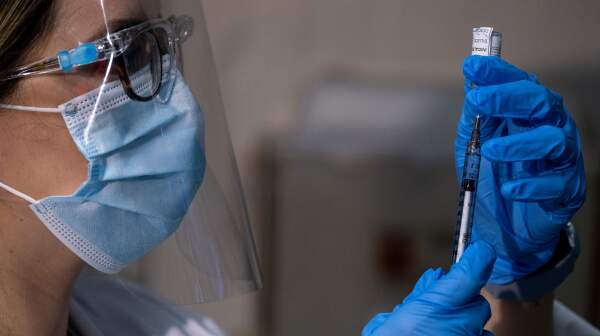
If you’re homebound and would like to register for a vaccine, there are ways to receive it where you live.

The DONNA Foundation is proud to partner with AARP Florida as the Title Sponsor of DONNA Mother’s Day Your Way (registration is still open).
Search AARP Florida

Life's better when we share it.
That’s why AARP brings neighbors together to join in on free activities and events, right where you live.
Get to know the local side of AARP, and click on a free event that clicks with you.
That’s why AARP brings neighbors together to join in on free activities and events, right where you live.
Get to know the local side of AARP, and click on a free event that clicks with you.
Sign Up & Stay Connected
Sections
About AARP Florida
Contact information and more from your state office. Learn what we are doing to champion social change and help you live your best life.