




AARP Hearing Center





















































Uncategorized
The source for advocacy, community service and information that helps you live your best life at any age.

AARP CT is hosting a telephone town hall on Wednesday, April 20, at 7 p.m. ET to inform and educate consumers on protecting themselves from consumer fraud. The call will focus on providing tips on securing personal and financial documents, as well as finding help if you have become of victim of identity theft, fraud or financial exploitation. Special guests will include representatives from the Treasury Inspector General for Tax Administration, Federal Trade Commission and CT Department of Consumer Protection.

By Dick Weinman, AARP Volunteer and ALF Living Guru

Local Event one of Dozens Scheduled Nationwide to Provide Secure Document Destruction

Have you, or someone you know, had their identity stolen? Someone’s identity is stolen every two seconds. That’s 30 every minute, 300 every 10 minutes, 900 every half hour… so it happens often, and can happen to anyone.
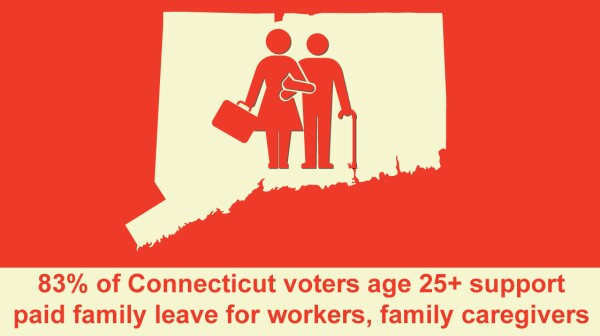
A large majority of registered voters in Connecticut, across the ideological spectrum, support paid family medical leave and a significant percentage would back a candidate for state elections who worked to implement such a plan, according to a recent survey by AARP Research.

Last week on April 7, 2016, Senator Joni Ernst, along with others, introduced the Credit for Caring Act, which provides working family caregivers with up to a $3,000 nonrefundable tax credit for qualified expenses.
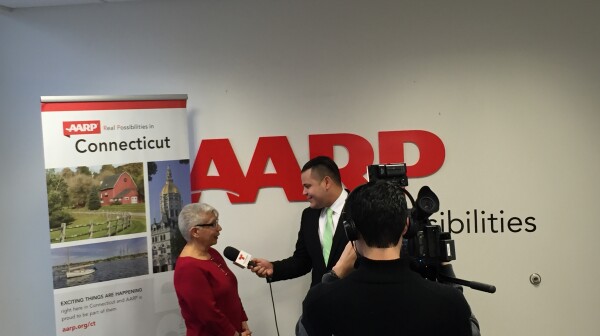
AARP Connecticut volunteer Marilyn Diaz was one of four people to be spotlighted in an AARP.org post recognizing the dedication and passion of the thousands of AARP volunteers across the country. The story by Elaine Ryan, vice president of state advocacy and strategy integration for AARP, is in celebration of National Volunteer Week and also acknowledged volunteers from Hawaii, Missouri and New Hampshire.

Back by popular demand for the 11th year, AARP Nebraska and Shred-It will host a free community shredding day in Omaha on Saturday, May 7, 2016.

To recognize his leadership and support of older South Carolinians, caregivers and their families, AARP named Lt. Governor Henry McMaster as a 2015 “Capitol Caregiver.” He joins a bipartisan group of state legislators, lieutenant governors, and governors from 25 states. These elected officials have advanced policies to help family caregivers who are making it possible for older adults to live independently at home—where they want to be. Specifically, Lt. Governor McMaster worked to secure funding for respite care vouchers, additional dollars for home and community based services, and help for vulnerable adults.

By Alan Edwards, Social Security Public Affairs
Search AARP States

Life's better when we share it.
That’s why AARP brings neighbors together to join in on free activities and events, right where you live.
Get to know the local side of AARP, and click on a free event that clicks with you.
That’s why AARP brings neighbors together to join in on free activities and events, right where you live.
Get to know the local side of AARP, and click on a free event that clicks with you.
Sign Up & Stay Connected