




AARP Hearing Center









































AARP Washington
Making a difference where you live
DEC 15, 2026
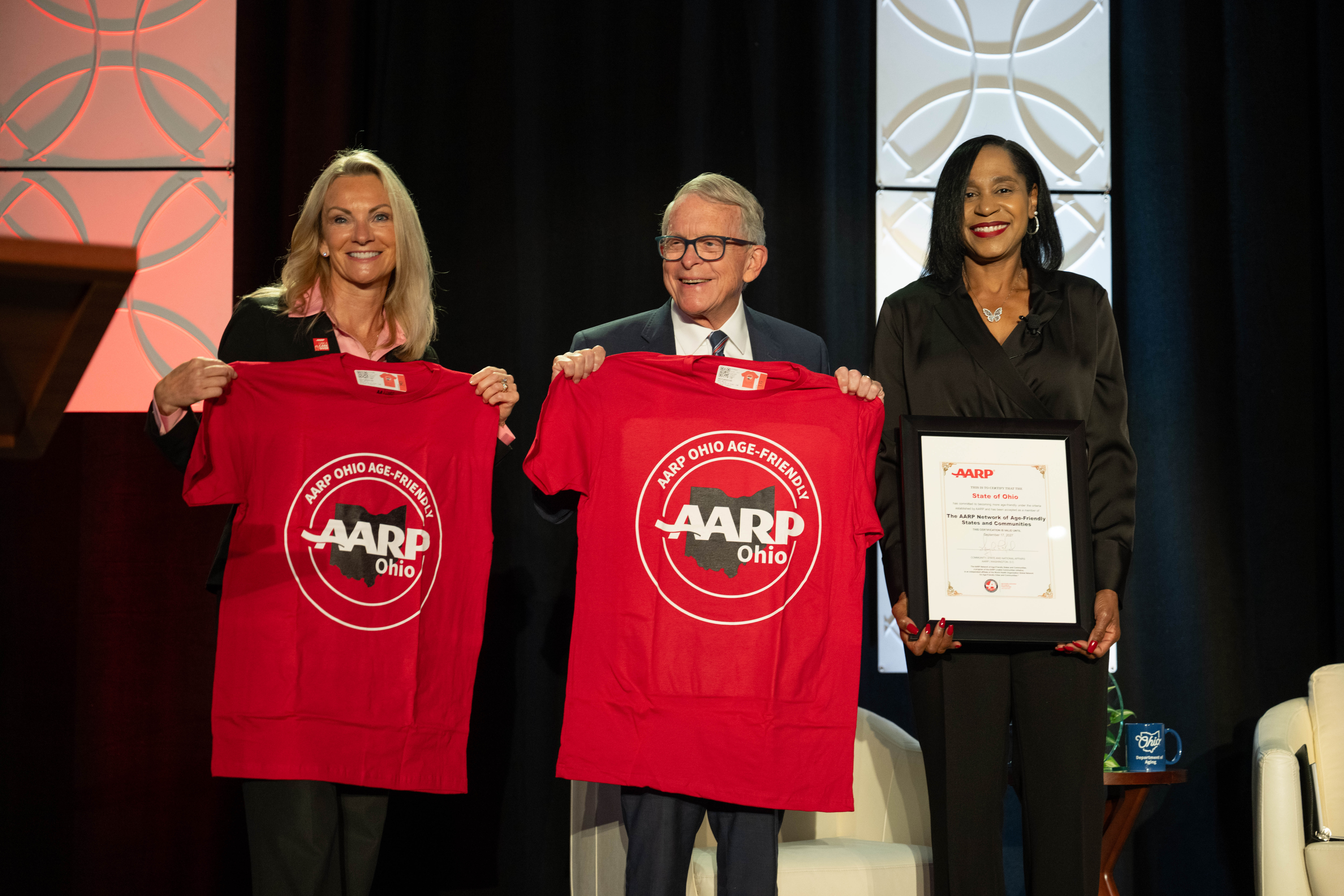
AARP Ohio works local leaders and residents to help ensure that communities statewide are livable for people of all ages. Toward achieving that goal, AARP provides tools and resources to use to help make your community age-friendly.
FEB 20, 2026
AARP Georgia's 2026 legislative focus is on relationship-building with elected officials to advance legislation that helps save Georgians money.
JAN 28, 2026
From Downsizing and Decluttering to fraud fighting, the AARP ND Speakers Bureau is bringing educational topics to you.
JAN 28, 2026
Join the AARP Utah University webinar series to help you make the best decisions on topics that matter most as we age.

Do you have an idea to make your community an even better place to live?

Building great communities takes time – but small, tangible improvements can spark lasting change. That’s the idea behind the AARP Community Challenge, a grant program launched in 2017 to support quick-action projects that enhance livability nationwide.

Applications accepted through March 4, 2026 at 3:00 p.m. MTN

Building great communities takes time – but small, tangible improvements can spark lasting change. That’s the idea behind the AARP Community Challenge, a grant program launched in 2017 to support quick-action projects that enhance livability nationwide.

AARP Ohio is inviting applications for its Community Challenge grant program, which funds quick-action projects that improve local livability. Now in its 10th year, the program supports small, impactful changes that can spark long-term community benefits. Applications are open until March 4, 2026, at 5 p.m. via aarp.org/CommunityChallenge.
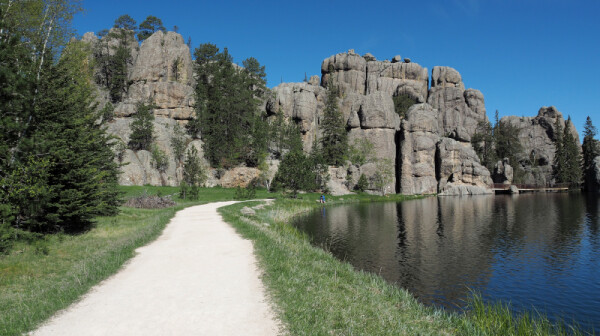
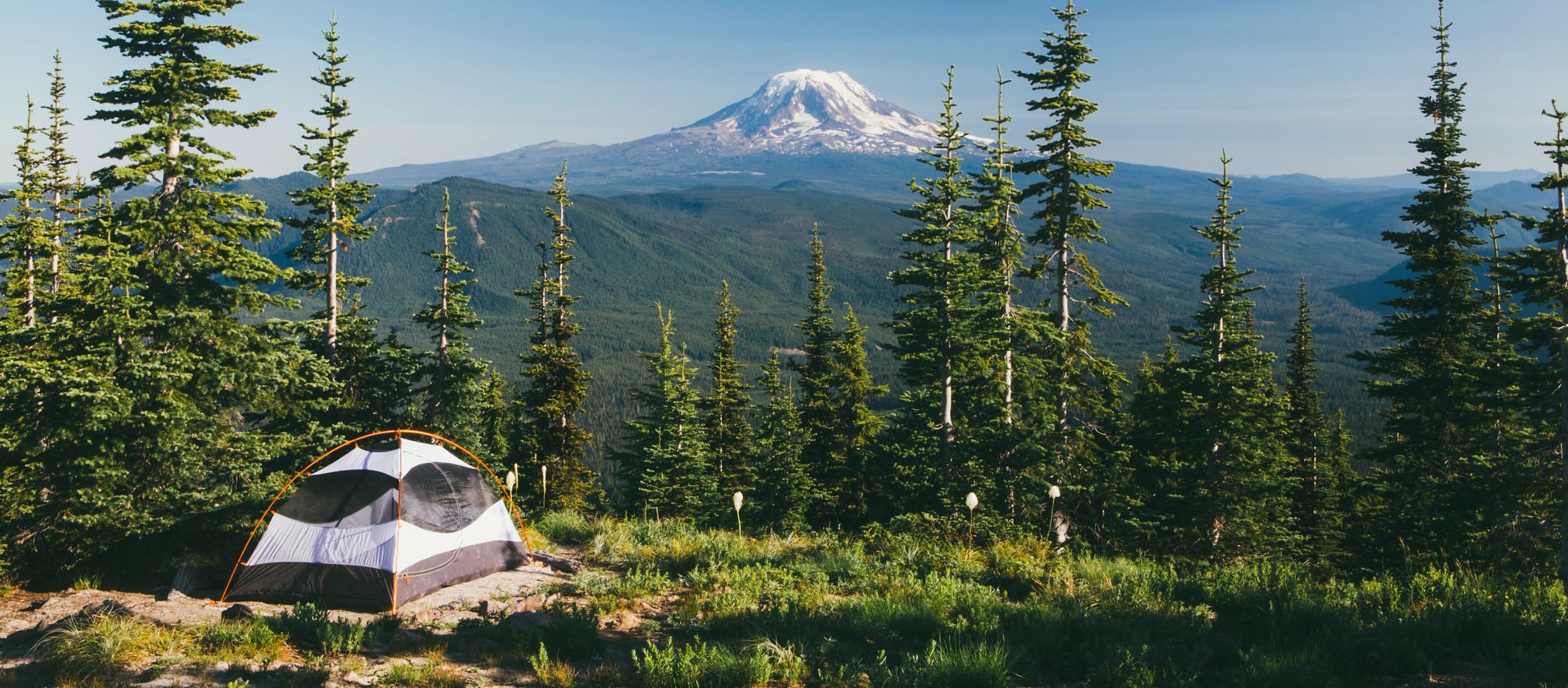
Get out and enjoy South Dakota's great places.
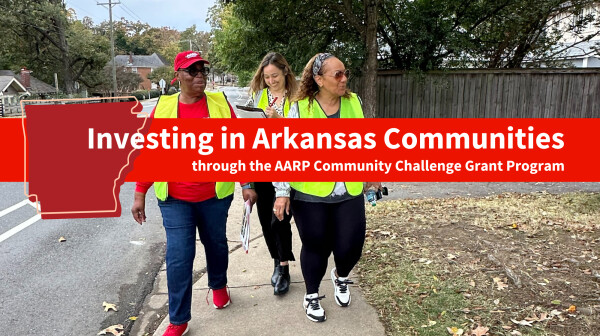
Applications accepted through March 4, 2026 at 4:00 p.m. CT

Your Monthly Guide to Spotting, Avoiding, and Reporting Scams
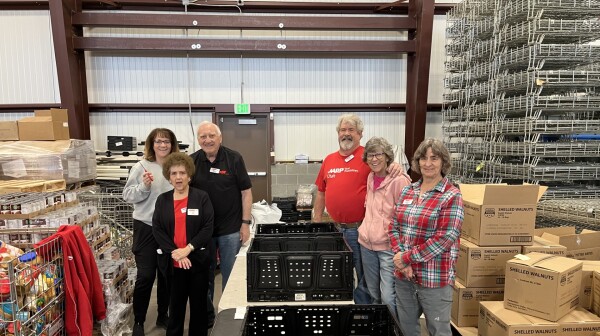
Interested in joining our team of Volunteers? We'd love to have you!
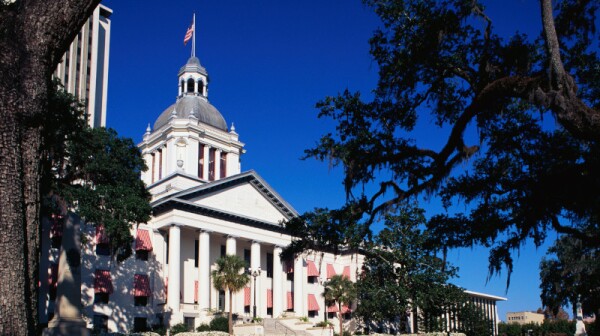
AARP Florida announces 2026 legislative priorities
Search AARP States

Life's better when we share it.
That’s why AARP brings neighbors together to join in on free activities and events, right where you live.
Get to know the local side of AARP, and click on a free event that clicks with you.
That’s why AARP brings neighbors together to join in on free activities and events, right where you live.
Get to know the local side of AARP, and click on a free event that clicks with you.
Sign Up & Stay Connected
Sections
About AARP Washington
Contact information and more from your state office. Learn what we are doing to champion social change and help you live your best life.