




AARP Hearing Center



















































AARP Iowa
News, information and resources on issues that matter to Iowans 50+
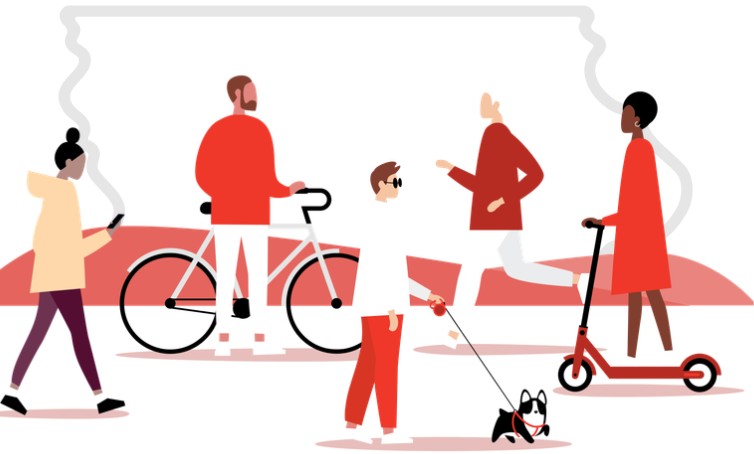
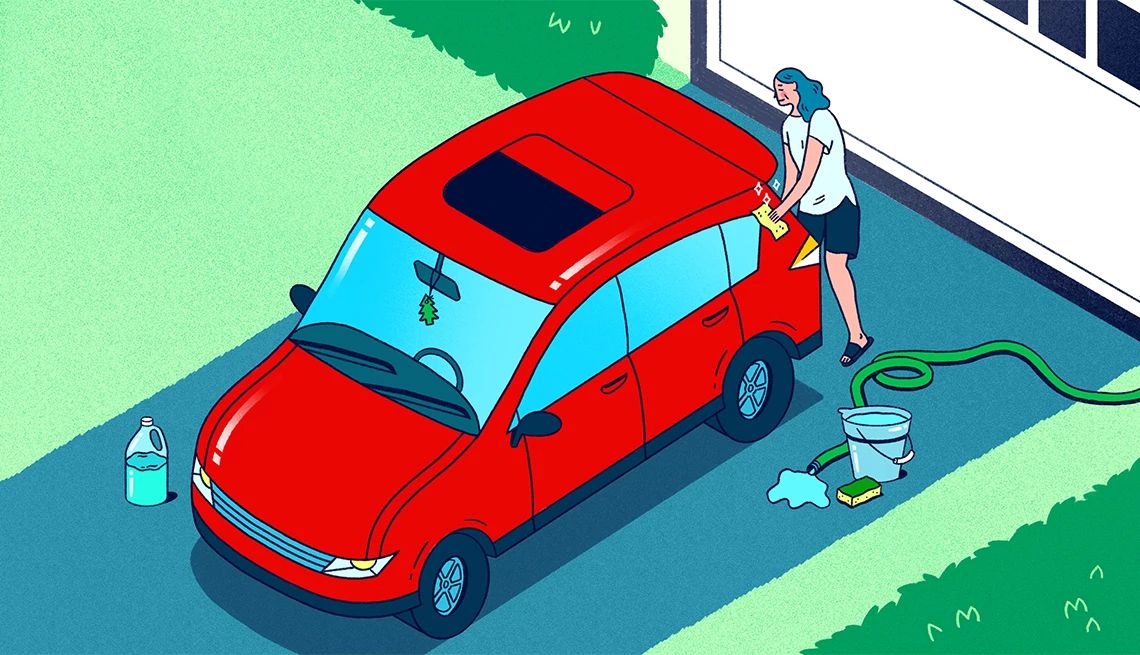
AARP Iowa invites local eligible non-profit organizations and governments across the state to apply for the 2026 AARP Community Challenge grant program, now through March 4. AARP Community Challenge grants fund quick-action projects that help communities become more livable by improving public places, transportation, housing, digital connections, and more.
Learn more and register here for upcoming in-person and virtual events.
During the 2026 state legislative session, AARP Iowa plans to engage in legislation across several key areas, including consumer protection, fraud prevention, financial security, long-term care, energy and livable communities.
An estimated 41% of American adults have lost money due to fraud or have had sensitive information obtained and used fraudulently. Scammers steal billions from consumers annually and fraud is a serious issue. AARP Iowa is committed to helping Iowans stay informed about how to avoid scams and where to find support and resources in the fight against fraud.

The Senior Planet Fellows is a pilot volunteer-led initiative to coordinate technology programs from Older Adults Technology Services from AARP (OATS). The program’s purpose is to ensure that best-of-class, locally relevant, technology-themed programming is provided to diverse audiences of older adults age 60+ who possess varying levels of digital literacy.

AARP Iowa and the Alzheimer’s Association are traveling around the state this fall to educate Iowans about steps they can take to help maintain cognitive health.

AARP Iowa has trained Fraud Watch Network volunteers ready to educate Iowans on how to spot and avoid the latest scams.

Iowans age 65+ have until July 1 to apply for a new property tax exemption included in legislation signed into law in May 2023.

AARP Iowa is reminding Iowans that over-the-counter hearing aids are available under federal rules implemented last year.

Are you interested in making an impact in the lives of older Iowans? Are you curious to know what it means to volunteer with AARP Iowa? We invite you to join us at an upcoming Coffee & Conversation to learn more about you can get engaged in advocacy issues like Social Security, caregiving, prescription drug prices, and more.

AARP Iowa is hosting a webinar on Wednesday, May 24, to raise awareness about U.S. Department of Agriculture programs that provide loans and grants to very low-income homeowners to repair, improve or modernize their homes.

In the early 1900s, the Greenwood neighborhood of Tulsa, Oklahoma, now called "Black Wall Street," was a vibrant and prosperous community. Despite the challenges and racial injustices they faced, residents of this community built a thriving neighborhood filled with successful Black-owned businesses, attorneys, doctors, and real estate agents. Their achievements were nothing short of remarkable and served as a beacon of hope for Black Americans nationwide.

Help protect against identify theft by safely disposing of personal documents you no longer need at one of two AARP Iowa shredding events this month.

AARP research attaches $5.2 billion value to the estimated 310 million hours of unpaid care that Iowa family caregivers provided in 2021.
Search AARP Iowa

Life's better when we share it.
That’s why AARP brings neighbors together to join in on free activities and events, right where you live.
Get to know the local side of AARP, and click on a free event that clicks with you.
That’s why AARP brings neighbors together to join in on free activities and events, right where you live.
Get to know the local side of AARP, and click on a free event that clicks with you.
Sign Up & Stay Connected
Sections
Contact information and more from your state office. Learn what we are doing to champion social change and help you live your best life.