




AARP Hearing Center





















































AARP Puerto Rico
Te ayudamos a explorar nuevas posibilidades en tu vida

Protéjase a usted y a sus seres queridos del fraude y el robo de identidad
DEC 15, 2026
AARP Ohio works local leaders and residents to help ensure that communities statewide are livable for people of all ages. Toward achieving that goal, AARP provides tools and resources to use to help make your community age-friendly.
FEB 20, 2026
AARP Georgia's 2026 legislative focus is on relationship-building with elected officials to advance legislation that helps save Georgians money.
JAN 23, 2026
Nearly 4 in 5 respondents say it's important to eliminate or phase out Montana’s tax on Social Security income

In 2021, 820,000 family caregivers in Washington state provided $16.8 billion worth of unpaid care, donated 770 million hours of their time, and spent an average of $7,200 out of their own pockets to care for their loved ones when they faced a serious long-term illness, injury or disability. Here are some of their stories and reasons for supporting Washington's long-term care insurance benefit.

Most of us want to be able to stay in our own homes and communities as we age or face challenges caring for ourselves due to a serious long-term illness, injury or disability. We also know that 70% of those 65 and older, will require some assistance to do that.
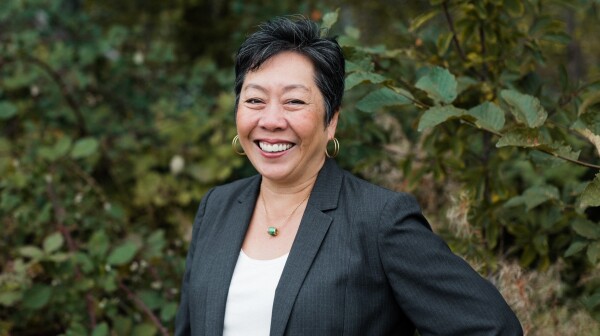
by Marguerite Ro, AARP Washington State Director

Join us as we take a look back on all the great things our volunteers, members, and staff accomplished in 2023!

In the next several days, the House will be discussing expanding health coverage to over 260,000 Missourians during this legislative session.

Local decisions that affect livable communities issues happen most typically in boards and commissions as well at elected councils. AARP WI encourages you to let decision makers know that you support policies that create livable communities for all ages and all abilities. As issues arise, we will share information here to include ways that you can contact the deciding bodies.

Public spaces support physical, mental and emotional health through exercise or social connection. These indoor or outdoor spaces should be accessible to all. AARP supports policies and actions that look at public spaces through an age-friendly lens to support enjoyment by all ages and all abilities.

Older adults need transportation to the places and services that support their independence. Policies that encourage adequate, safe and accessible transportation infrastructure and services help people of all ages stay active and engaged in their community.
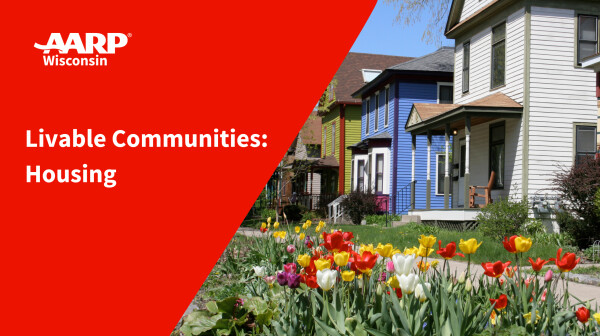
AARP surveys consistently find that the vast majority of older adults want to reside in their current home or community for as long as possible. Doing so is possible if a home is designed or modified for aging in place, or if a community has housing options that are suitable for differing incomes, ages and life stages. AARP supports policy and actions that provide options for housing choice that allow people to remain in their home or community of their choosing.

Caregiving may be one of the most important, and challenging, roles you’ll ever take on. No matter where you are in your caregiving journey — starting to plan; taking care of a family member in your home, in a facility, or from a distance; or managing end-of-life caregiving responsibilities — having resources at your fingertips will make the process easier.
Search AARP States

Life's better when we share it.
That’s why AARP brings neighbors together to join in on free activities and events, right where you live.
Get to know the local side of AARP, and click on a free event that clicks with you.
That’s why AARP brings neighbors together to join in on free activities and events, right where you live.
Get to know the local side of AARP, and click on a free event that clicks with you.
Sign Up & Stay Connected
Sections
About AARP Puerto Rico
Contact information and more from your state office. Learn what we are doing to champion social change and help you live your best life.