




AARP Hearing Center













































AARP Florida
AARP Florida is making a difference where you live.
AARP Florida announces its 2026 legislative priorities, putting the needs of Floridians 50-plus at the forefront of the upcoming legislative session. This year’s agenda focuses on four critical areas that impact the quality of life for older adults and their families:
AARP Florida Announces Rapid Community Project Grants
Even as some of you are hearing the last notes of the song “It’s the Most Wonderful Time of the Year,” we at AARP Florida are about to embark on “The Busiest Time of the Year”, the Florida legislative session. Advocacy is a core part of AARP’s mission, and at the state level, the legislative session is a rich if frenetic opportunity to advocate on a wide range of issues on behalf of Floridians ages 50 and over.
New Report Reveals Declining Quality in Florida Nursing Homes Following Private Investor Acquisition
AARP Florida’s latest nursing home quality report reveals troubling trends as private investment group acquisitions reshape the state’s long-term care sector.
‘Progressive deterioration until death’
FOR IMMEDIATE RELEASE
Floridians, we need your help! We need you to help us educate state and federal candidates about the health and long-term care technologies needs that will benefit Floridians of all ages.
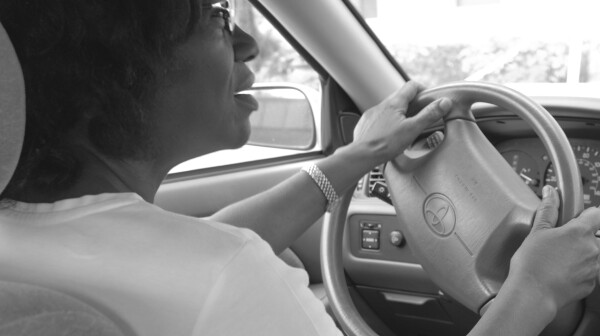
Technology and new services can help make our communities more livable for people of any age – including innovations like ride-sharing businesses that offer not only new mobility options for older people but also a way to supplement incomes. That's what aging experts shared recently with 80 Sarasota residents at a recent roundtable.

Long-term care is a pressing issue in the Sunshine State. Nearly 2.7 million family caregivers provide 2.5 billion hours of unpaid services annually to help their aging loved ones continue to live at home rather than placing them in nursing homes.

By Susannah Nesmith
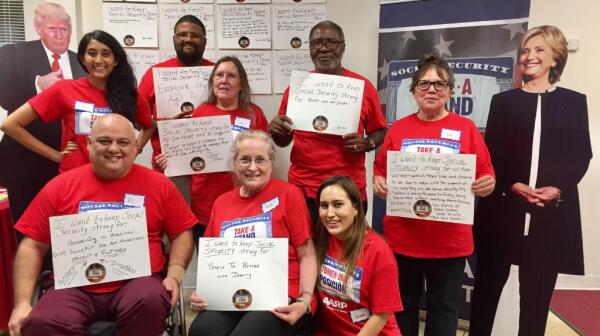
AARP’s national accountability campaign ‘ Take a Stand ‘ is well underway here in Florida, and our staff and volunteers are working hard to pressure candidates into telling voters how they would update Social Security for the 21st century and keep the promise for future generations. We want our leaders to make Social Security a priority and to put serious proposals on the table. If lawmakers fail to take action, Social Security benefits could be reduced by 25 percent by 2034, and future retirees could lose up to $10,000 a year in benefits.
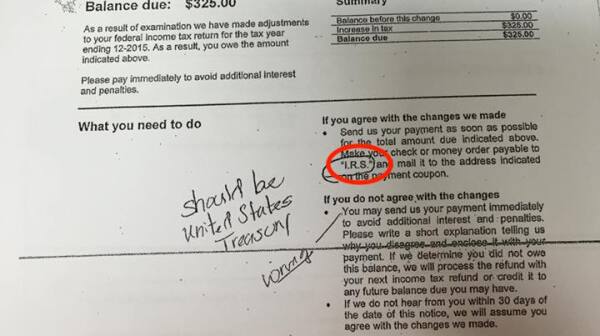
The word is out on the IRS scam phone calls (click here here and here.) So the scammers have upped their game to mail, and it’s quite convincing at first. Since the IRS has said they would never call you demanding money for payment, only send mail letters, it was only a short amount of time until these frausters did so too.
Search AARP Florida

Life's better when we share it.
That’s why AARP brings neighbors together to join in on free activities and events, right where you live.
Get to know the local side of AARP, and click on a free event that clicks with you.
That’s why AARP brings neighbors together to join in on free activities and events, right where you live.
Get to know the local side of AARP, and click on a free event that clicks with you.
Sign Up & Stay Connected
Sections
About AARP Florida
Contact information and more from your state office. Learn what we are doing to champion social change and help you live your best life.