




AARP Hearing Center
















































AARP Vermont
Giving voice to the concerns and interests of older Vermonters
DEC 15, 2026
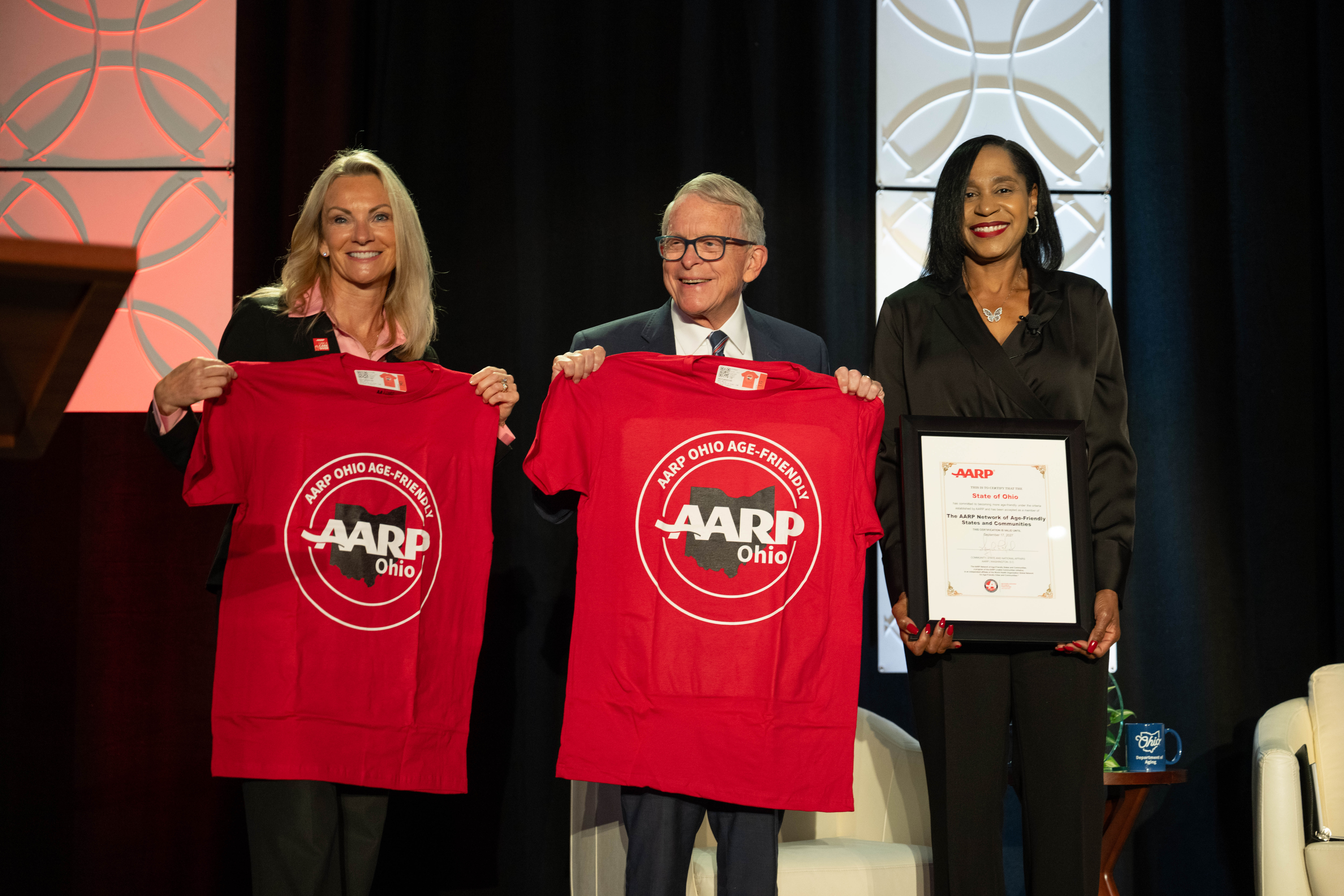
AARP Ohio works local leaders and residents to help ensure that communities statewide are livable for people of all ages. Toward achieving that goal, AARP provides tools and resources to use to help make your community age-friendly.
FEB 20, 2026
AARP Georgia's 2026 legislative focus is on relationship-building with elected officials to advance legislation that helps save Georgians money.
JAN 27, 2026
Take simple, but meaningful, steps to support your well-being!
JAN 26, 2026
Join AARP Alaska, community partners, local and national law enforcement, and fraud-fighting senior service providers to learn how to spot and stop scams to protect yourself and community.

Find free online and in-person local events designed with you in mind. Discover fun exercise classes, healthy cooking demos, helpful workshops, and more.
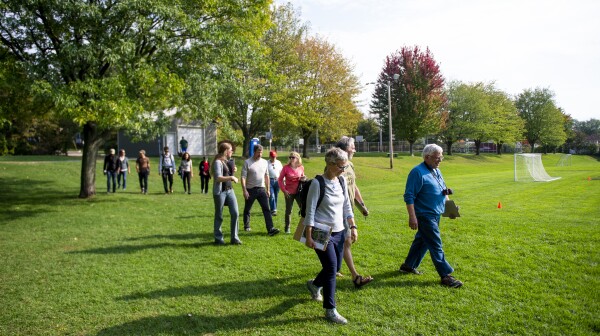
Approximately 45 million Americans are age 65 or older. By 2030, that number will reach 73 million Americans. At that point, fully one in five Americans will be older than 65. By 2034, the United States will — for the first time ever — be a country comprised of more older adults than of children. AARP Livable Communities supports the efforts of neighborhoods, towns, cities and rural areas to be great places for people of all ages. We believe that communities should provide safe, walkable streets; age-friendly housing and transportation options; access to needed services; and opportunities for residents of all ages to participate in community life.

Caregivers are encouraged to take part in AARP Wyoming’s popular series, Care for Caregivers, on Mondays in March. The weekly series, which explores self-care topics for caregivers, will be held at the Laramie County Public Library, 2200 Pioneer Avenue, in Cheyenne.

Applications accepted through March 4, 2026 at 5:00 p.m. ET / 2:00 p.m. PT

AARP Indiana invites you to join the Hoosier Scam Report: A Fraud Prevention Webinar. Stay a step ahead with the Hoosier Scam Report! This bi-monthly virtual series delivers the latest fraud and scam alerts across Indiana and beyond.

A candid and thoughtful conversation on what it truly means to move from full‑time work into retirement.

Scammers keep finding new ways to separate you from your hard earned money.

Together, these sessions offer practical tools, thoughtful reflection, and experiential practices that help participants restore energy, build resilience, and deepen awareness—meeting life with greater clarity, steadiness, and ease through every season. Sessions include:
Learn safe driving strategies and you could earn a discount on auto insurance.*

Join the AARP Utah University webinar series to help you make the best decisions on topics that matter most as we age.
Search AARP States

Life's better when we share it.
That’s why AARP brings neighbors together to join in on free activities and events, right where you live.
Get to know the local side of AARP, and click on a free event that clicks with you.
That’s why AARP brings neighbors together to join in on free activities and events, right where you live.
Get to know the local side of AARP, and click on a free event that clicks with you.
Sign Up & Stay Connected
Sections
About AARP Vermont
Contact information and more from your state office. Learn what we are doing to champion social change and help you live your best life.