




AARP Hearing Center

















































AARP Minnesota
Helping connect Minnesotans to resources that help them save money and live their best life

Building great communities takes time – but small, tangible improvements can spark lasting change. That’s the idea behind the AARP Community Challenge, a grant program launched in 2017 to support quick-action projects that enhance livability nationwide.
Starting January 1, 2026, Minnesota workers will have access to Paid Family and Medical Leave (PFML)—a new state benefit that provides financial support and job protection when you need time away from work to care for yourself or a loved one.
Minnesotans who have been defrauded now have a better chance of financial recovery, thanks to a new bipartisan law championed by AARP Minnesota. The Consumer Fraud Restitution Fund, the first of its kind in the nation, was signed into law in 2025 with strong bipartisan support. This innovative fund will help victims of fraud recover lost money—especially in cases where scammers are untraceable or bankrupt.
Gayle Brown Olson has been awarded the 2025 AARP Andrus Award for Community Service for Minnesota. The annual award is AARP’s most prestigious and visible volunteer award.
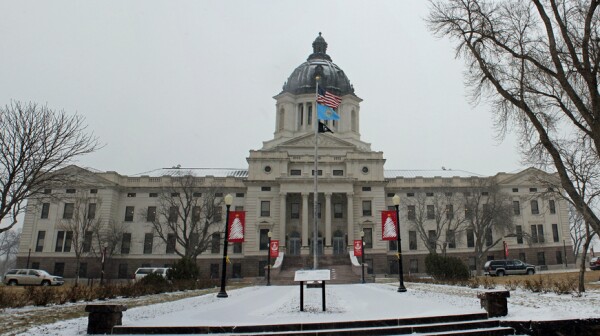
As a wise friend and fierce defender, AARP South Dakota maintains a presence in Pierre during the annual legislative session to keep an eye on issues that are important to South Dakotans 50-plus and their families.

AARP Montana invites you to an informational series -- free on the phone or online.

AARP is teaming up with The Palace Theatre to offer you a bunch of toe-tapping musicals and fabulous performances for the 2025-2026 season!
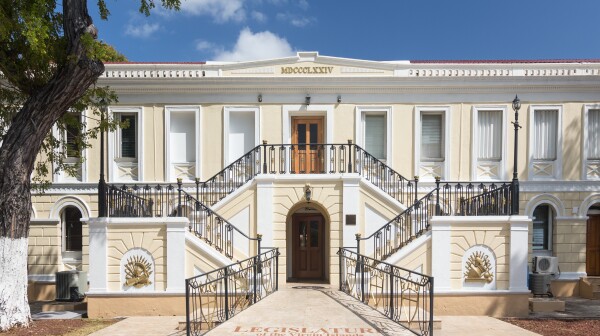
As 2025 draws to a close, AARP Virgin Islands proudly celebrates a year of meaningful advocacy, delivering strong protection and support for older adults and their families. Through strategic collaboration with lawmakers and community partners, AARP VI advanced key legislation that enhances safety, health, and caregiving across the territory.
“We need to ensure that our aging population can live their remaining years safely and with dignity,” said Troy De Chabert-Schuster, State Director, AARP VI. “This year’s legislative victories reflect our commitment to improving quality of life for older Virgin Islanders.”

Follow the journey of Patrick and Lenin below.
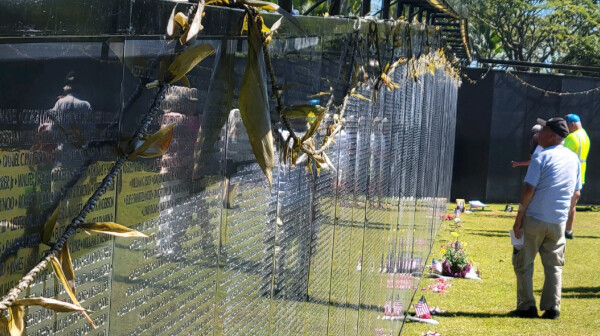
The Replica of the Vietnam War Memorial Comes to UH West Oahu Jan. 13 to Jan. 19

Transportation is vital to livable communities. Learn about recent work in Eugene to make streets safer.

Denise Fettig-Loftesnes of Bismarck is the recipient of the 2025 AARP Andrus Award for Community Service – AARP’s most prestigious volunteer award.

Albany, N.Y. – A new AARP report “The $31 Million Ratepayer Disadvantage - The Energy Rate Game Needs A Change” highlights one of several major flaws in how New York develops energy rates that has created a great disadvantage to residential ratepayers.

Marilyn Hamer of Black Eagle selected as recipient of 2025 Andrus Award for Community Service
Search AARP States

Life's better when we share it.
That’s why AARP brings neighbors together to join in on free activities and events, right where you live.
Get to know the local side of AARP, and click on a free event that clicks with you.
That’s why AARP brings neighbors together to join in on free activities and events, right where you live.
Get to know the local side of AARP, and click on a free event that clicks with you.
Sign Up & Stay Connected
Sections
Contact AARP Minnesota
Contact information and more from your state office. Learn what we are doing to champion social change and help you live your best life.