




AARP Hearing Center
















































AARP Iowa
News, information and resources on issues that matter to Iowans 50+
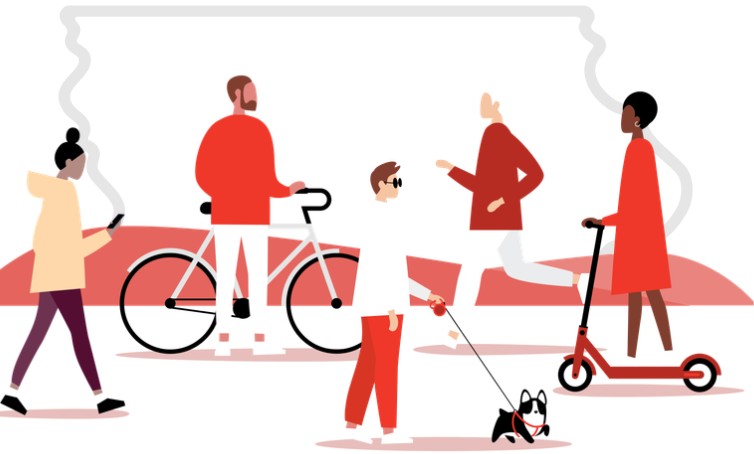
AARP Iowa invites local eligible non-profit organizations and governments across the state to apply for the 2026 AARP Community Challenge grant program, now through March 4. AARP Community Challenge grants fund quick-action projects that help communities become more livable by improving public places, transportation, housing, digital connections, and more.
Learn more and register here for upcoming in-person and virtual events.
During the 2026 state legislative session, AARP Iowa plans to engage in legislation across several key areas, including consumer protection, fraud prevention, financial security, long-term care, energy and livable communities.
An estimated 41% of American adults have lost money due to fraud or have had sensitive information obtained and used fraudulently. Scammers steal billions from consumers annually and fraud is a serious issue. AARP Iowa is committed to helping Iowans stay informed about how to avoid scams and where to find support and resources in the fight against fraud.

(Jackson, MS) – Karen Payne Fountain has been selected by AARP, the nonprofit organization for people 50 and older, to receive the 2025 AARP Mississippi Andrus Award for Community Service, the Association’s most prestigious and visible state volunteer award for community service.

AARP Wyoming and Elkhorn Valley Rehabilitation Hospital in Casper are collaborating on a series designed to expand your understanding of health care. This free, virtual series will cover topics including movement, nutrition, and navigating the world of insurance.
Whether you are unhappy or bored or simply looking for greater fulfillment, AARP Wyoming’s free virtual series called “Reimagine Your Next Chapter” will help you examine your situation and confront roadblocks to moving to the next level of fulfillment.

In 2025 we brought events to seven North Dakota towns and offering a wide range of virtual events to help you how to safeguard yourself from fraud.

Survey Shows Vermonters Want Affordable Housing, Reliable Care, and Support for Family Caregivers

In November, AARP Orlando volunteers flooded the Brightline high-speed train platform in a sea of red as part of our ongoing transportation series in partnership with Mpact, a national nonprofit focused on creating stronger communities by connecting them with public transportation. The event showcased the importance of rail as a vital transportation option for older adults. Today’s adventure? A round-trip journey on Florida’s Brightline transportation system to West Palm Beach.

The holiday season usually means fun with friends and family, goodwill and giving. Unfortunately, it's also prime time for cybercriminals to perpetrate fraud. Beware during the holiday rush and try not to act impulsively.
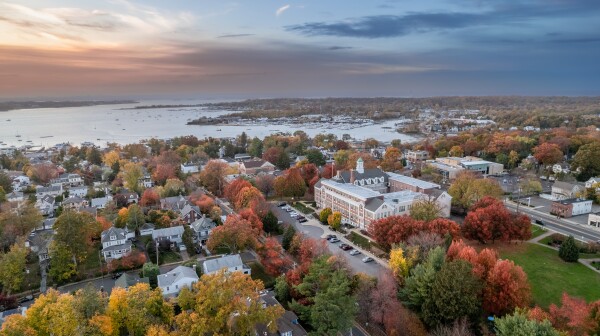
Long Island stands at a demographic crossroads. With 41% of the population being ages 50 and older, these communities face both challenges and economic opportunities. These policy roadmaps illustrate how targeted policies and age-friendly initiatives yield substantial economic returns while enhancing the quality of life for residents of all ages throughout Long Island.

Free outdoor dance classes

Help Children Become Better ReadersYou’ll enjoy putting your experience to use by tutoring and mentoring young people through AARP Foundation Experience Corps. Students, schools and volunteers, like you, all benefit from this innovative intergenerational program.
Search AARP States

Life's better when we share it.
That’s why AARP brings neighbors together to join in on free activities and events, right where you live.
Get to know the local side of AARP, and click on a free event that clicks with you.
That’s why AARP brings neighbors together to join in on free activities and events, right where you live.
Get to know the local side of AARP, and click on a free event that clicks with you.
Sign Up & Stay Connected
Sections
Contact information and more from your state office. Learn what we are doing to champion social change and help you live your best life.