




AARP Hearing Center
















































AARP Minnesota
Helping connect Minnesotans to resources that help them save money and live their best life
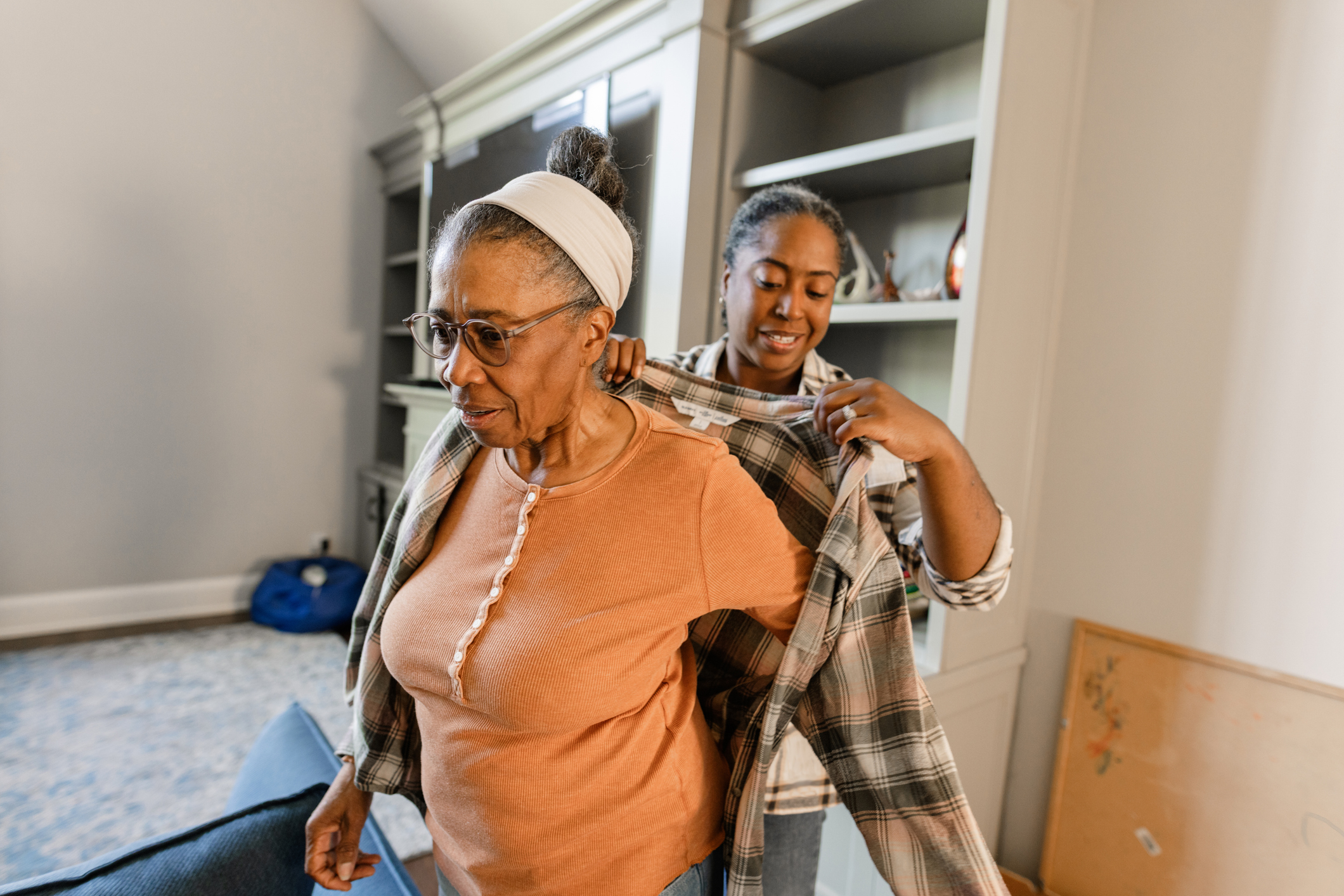
Starting January 1, 2026, Minnesota workers will have access to Paid Family and Medical Leave (PFML)—a new state benefit that provides financial support and job protection when you need time away from work to care for yourself or a loved one.
Minnesotans who have been defrauded now have a better chance of financial recovery, thanks to a new bipartisan law championed by AARP Minnesota. The Consumer Fraud Restitution Fund, the first of its kind in the nation, was signed into law in 2025 with strong bipartisan support. This innovative fund will help victims of fraud recover lost money—especially in cases where scammers are untraceable or bankrupt.
Six communities throughout Minnesota will receive 2025 Community Challenge grants to fund quick-action projects aimed at making communities more livable for people of all ages, with a focus on the needs of older adults.
Gayle Brown Olson has been awarded the 2025 AARP Andrus Award for Community Service for Minnesota. The annual award is AARP’s most prestigious and visible volunteer award.

Avoid being taken in by a cryptocurrency kiosk scam.

Join us for upcoming events online or in person from AARP Massachusetts. We have plenty of events to keep you informed and entertained. Tune in and sign up today.

Balance, Stretching, and Stress Relief

With most small-business employees lacking workplace plans, Alaska Work and Save can help workers build financial security through a voluntary, portable, and state-overseen program. Learn how this initiative benefits both employees and businesses and hear from business owners themselves.

In this four-session series, you’ll learn new techniques, build on what you know, and develop your personal style. Create French countryside landscapes, pets, and bold florals using the provided patterns—no drawing needed. Sessions are recorded, and helpful tips, advice, and critiques are included.

A rundown of our wins and progress made for older North Dakotans.

“The age wave is here,” says Cathleen MacCaul, Senior Advocacy Director at AARP Washington. “By 2030, more Washingtonians will be age 65 and older than under 18. That demographic shift will impact every part of our economy—from health care to housing to gaps in our long term care workforce.”

AARP Montana invites you to an informational series -- free on the phone or online.
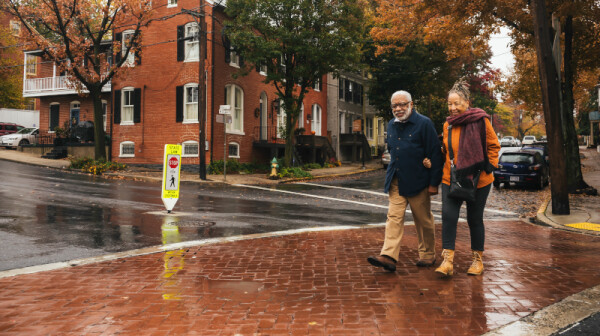
AARP Maryland teamed up with MDOT to explore the transporation needs of rural communities.

AARP Oklahoma recognizes the 2025 Andrus Award recipients and volunteers for their hard work in safeguarding the lives of older Oklahomans.
Search AARP States

Life's better when we share it.
That’s why AARP brings neighbors together to join in on free activities and events, right where you live.
Get to know the local side of AARP, and click on a free event that clicks with you.
That’s why AARP brings neighbors together to join in on free activities and events, right where you live.
Get to know the local side of AARP, and click on a free event that clicks with you.
Sign Up & Stay Connected
Sections
Contact AARP Minnesota
Contact information and more from your state office. Learn what we are doing to champion social change and help you live your best life.