




AARP Hearing Center





















































AARP Pennsylvania
Reimagining the possibilities of life for Pennsylvanians
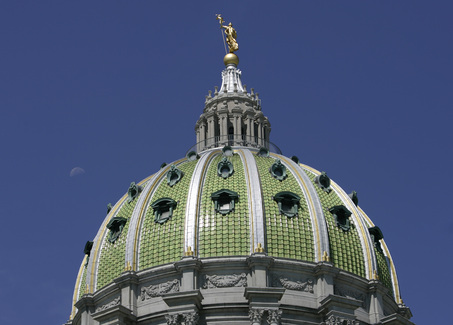
Bill Johnston-Walsh, AARP Pennsylvania State Director, issued a statement in response to Governor Josh Shapiro's proclamation declaring November 2025 to be Family Caregivers Month in Pennsylvania.
New Data Show Nearly One Quarter Of Adults In Pennsylvania Provide Care, Spotlighting Urgent Need for Action to Support Family Caregivers
Pennsylvania Governor Josh Shapiro proclaims August 14, 2025, as ‘Social Security Day’ in honor of Social Security’s 90th Anniversary
This summer, AARP Pennsylvania is hitting the road in a decked-out van to celebrate the 90th anniversary of Social Security. Our Social Security Road Trip is all about meeting Pennsylvanians where they are. At each stop, we’re attending local events, collecting stories, and hearing directly from people about what Social Security means to them.

New Bill Aims to Protect Consumers - Especially Older Adults - from Fraud and Financial Loss

We invite you to enter AARP Connecticut’s sweepstakes for a chance to see the R&B Lovers Tour headlined by Keith Sweat and R&B icons Joe, Dru Hill and Ginuwine. One winner will receive two club tickets, one parking pass, and access to a VIP entrance to the show on February 15 at Total Mortgage Arena. As Valentine’s Day approaches, learn about AARP’s fraud prevention resources and hear how one Connecticut woman who lost nearly $1 million to a romance scam fought back and helped pass a new law.
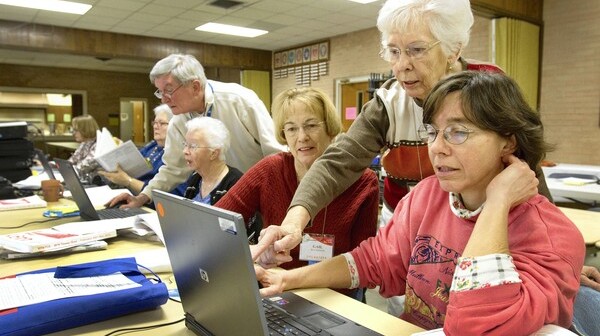
AARP Foundation Tax-Aide provides free tax assistance and preparation at sites around Montana from January 15 through April 15

In the Spirit of Ethel: A New Monthly Series Celebrating Connections, Camaraderie, and Community

Looking for a fun way to connect with others, learn something new and enjoy a little friendly competition... all from the comfort of home? You are cordially invited to play virtual bingo!

AARP Montana invites you to Webinar Wednesdays — a free informational series on select Wednesdays of the month at 10:00 AM.
AARP Kentucky Now Accepting 2026 Community Challenge Grant Applications

As the Federal Trade Commission (FTC) leads Identity Theft Awareness Week this January, AARP is reminding U.S. Virgin Islands residents that identity theft remains a growing threat across the nation — and that our island communities are not immune.
An AARP-sponsored report from Javelin Strategy & Research shows that American adults lost $47 billion to identity fraud and scams in 2024. Given USVI’s frequent use of mail services, its high reliance on digital banking, and recurring reports of phishing and impersonation scams targeting local consumers, heightened awareness is essential.
“Social Security numbers in particular are like gold to criminals hoping to perpetrate identity fraud, which often leaves victims to ‘face a daunting and frustrating process to reclaim their identity,’” said Bill Sweeney, AARP Senior Vice President for Government Affairs.
Residents of the U.S. Virgin Islands can take practical steps to reduce risk and protect their personal information.

Dance, Sweat, and Stay Fit—All from Home!

Join Lewiston Age Friendly for the Cabin Fever program, held every Tuesday from February through March. AARP Maine sponsors the first Tuesday of each month. Learn about scams, connect with others, and enjoy a free light lunch.
Search AARP States

Life's better when we share it.
That’s why AARP brings neighbors together to join in on free activities and events, right where you live.
Get to know the local side of AARP, and click on a free event that clicks with you.
That’s why AARP brings neighbors together to join in on free activities and events, right where you live.
Get to know the local side of AARP, and click on a free event that clicks with you.
Sign Up & Stay Connected
Sections
About AARP Pennsylvania
Contact information and more from your state office. Learn what we are doing to champion social change and help you live your best life.