




AARP Hearing Center





















































AARP Rhode Island
Better living in the Ocean State
Apply for a 2026 AARP Rhode Island Community Challenge Grant
More than 206,000 Rhode Islanders provide billions in unpaid care, often at personal cost, as AARP urges leaders to act ahead of the 2026 legislative session.
2026 Legislative Reception
90 Years Later, Social Security Still Delivers for Rhode Islanders
Click on a picture to learn more about AARP Utah!
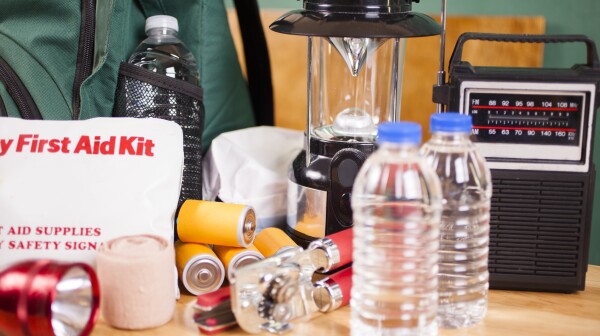
From Little Rock to Pine Bluff, Fort Smith to Jonesboro, Arkansas has always lived with storms. Now, floods rise faster, tornadoes spin up with little warning, and ice and heat waves last longer. Older adults—especially those living alone or in rural areas—can be hit hard when power, roads, or medical care are disrupted.
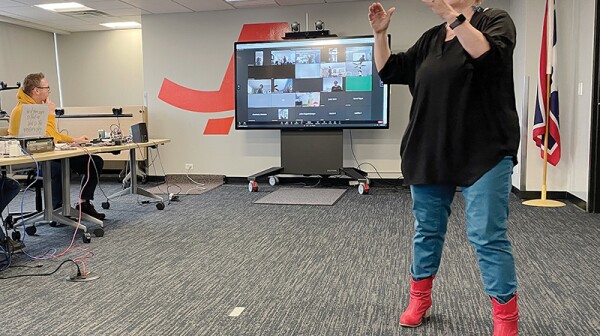
AARP Wyoming offers a variety of events throughout the year, both online and in local communities.

Wyoming’s Audubon chapters and regional office already offer year-round activities, including field trips, nature talks, “Mindful Birding,” and online classes through Audubon Rockies.

As Wyoming and Cheyenne specifically experience a boom in data center builds, a common concern arises whether the additional energy demand from data centers will result in higher power prices for Wyoming residents. At least two local experts don’t believe that will be the case — at least not directly.

The session begins in Cheyenne on Feb. 9.

Several bills that did not pass last year were revisited in the committee, which has a heavy influence from the Freedom Caucus among its House committee members.
Since 2019, the general-fund portion of the state’s standard budget, the part that covers the everyday operations of government, has grown by an average of 3.5% a year. That is almost exactly in line with national inflation over the same period. In other words, Wyoming did not go on a spending binge.
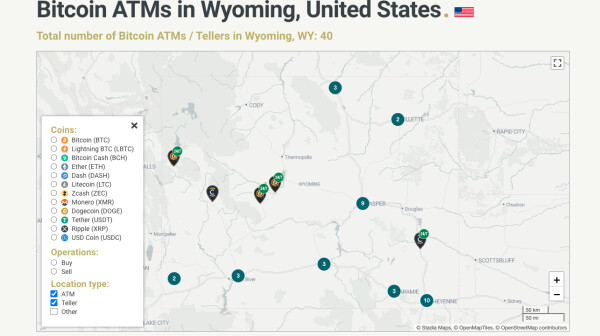
AARP Wyoming hopes that some of the most effective tools for facilitating fraud and scams will come under the purview of Wyoming regulators after the 2026 Legislative Session.

We see this in the current conversation about property taxes. There are individuals offering free ice cream by removing or substantially reducing property and claiming that you can still receive the same services. We all know relief comes with a cost to local services.
Search AARP States

Life's better when we share it.
That’s why AARP brings neighbors together to join in on free activities and events, right where you live.
Get to know the local side of AARP, and click on a free event that clicks with you.
That’s why AARP brings neighbors together to join in on free activities and events, right where you live.
Get to know the local side of AARP, and click on a free event that clicks with you.
Sign Up & Stay Connected
Sections
About AARP Rhode Island
Contact information and more from your state office. Learn what we are doing to champion social change and help you live your best life.