




AARP Hearing Center





















































AARP Minnesota
Helping connect Minnesotans to resources that help them save money and live their best life

Building great communities takes time – but small, tangible improvements can spark lasting change. That’s the idea behind the AARP Community Challenge, a grant program launched in 2017 to support quick-action projects that enhance livability nationwide.
Starting January 1, 2026, Minnesota workers will have access to Paid Family and Medical Leave (PFML)—a new state benefit that provides financial support and job protection when you need time away from work to care for yourself or a loved one.
Minnesotans who have been defrauded now have a better chance of financial recovery, thanks to a new bipartisan law championed by AARP Minnesota. The Consumer Fraud Restitution Fund, the first of its kind in the nation, was signed into law in 2025 with strong bipartisan support. This innovative fund will help victims of fraud recover lost money—especially in cases where scammers are untraceable or bankrupt.
Gayle Brown Olson has been awarded the 2025 AARP Andrus Award for Community Service for Minnesota. The annual award is AARP’s most prestigious and visible volunteer award.

Join our online Q&A sessions to learn how to age-proof your career.

AARP staff and volunteer leaders are looking to connect with members in Southwest Minnesota. Stop by the Daily Grind in Marshall, MN on Friday, March 23rd for a free cup of coffee, find out more about what AARP is up to, let us know more about what matters most to you and learn how you can get involved.
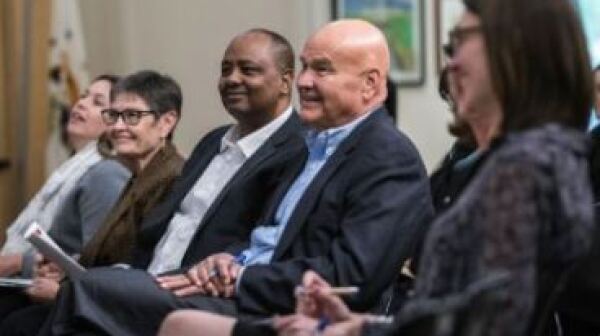
It’s no secret that Minnesota’s population is aging rapidly and our workforce is declining in size, with potentially seismic impacts on business, industry, and the state’s overall economic health. Given these realities, how can we keep older workers engaged and productive in the workforce, contributing vital skills to help Minnesota thrive in this changing landscape? What are the conversations that need to happen – between employers and employees, and across rural and urban communities – to tackle this growing challenge?
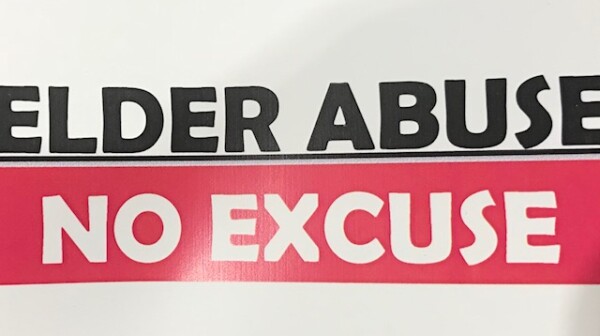
St. Paul - Members of the Consumer Workgroup on Elder Abuse commend the Office of Legislative Auditor’s (OLA) report on the Office of Health Facility Complaints (OHFC). The report brings needed transparency and accountability to a department that has been plagued by an inability to investigate elder abuse complaints in a timely manner.

By Mary Van Beusekom

The U.S. Health care system spends well over $300 billion a year on prescription drugs, and almost three-fourths of that goes to brand name drugs, even though they make up less than one in eight prescriptions. The escalating costs of pharmaceuticals are driving up health care costs and premiums in both the employer and individual market.

Join our online Q&A sessions for tools for keeping your 2018 healthy resolutions all year

Consumer Workgroup Lays out Public Policy Actions Necessary to Prevent/Deter Elder Abuse

Join two live webinars to find out how to identify and react to changes in your loved one’s behavior

Join our online event for free job searching tips, tools resources, interactive videos, recruiter chats and more.
Search AARP Minnesota

Life's better when we share it.
That’s why AARP brings neighbors together to join in on free activities and events, right where you live.
Get to know the local side of AARP, and click on a free event that clicks with you.
That’s why AARP brings neighbors together to join in on free activities and events, right where you live.
Get to know the local side of AARP, and click on a free event that clicks with you.
Sign Up & Stay Connected
Sections
Contact AARP Minnesota
Contact information and more from your state office. Learn what we are doing to champion social change and help you live your best life.